




What's Happening?
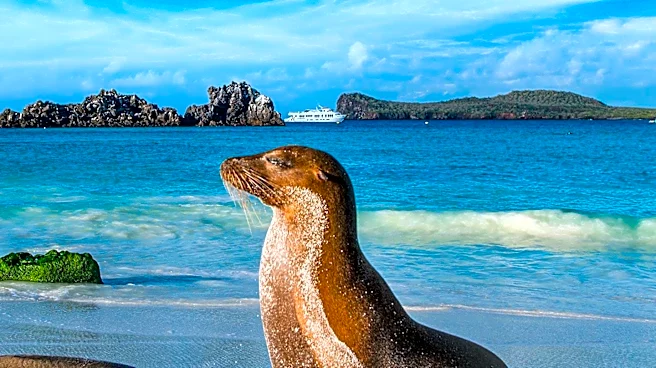
El Niño, a significant climatic phenomenon, is currently affecting the Galápagos Islands, with its impacts being less predictable than often suggested. Historically, strong El Niño events have led to warmer seas, reduced upwelling of nutrient-rich waters,
and altered weather patterns, which can significantly affect marine life and terrestrial conditions. The 1997-98 El Niño, for instance, caused extraordinary rainfall and reduced marine productivity, impacting wildlife populations. However, not all El Niño events have the same effects. The 2015-16 event, despite being one of the strongest recorded, resulted in average rainfall in the Galápagos. The current El Niño is causing heavier precipitation than usual, but not to the extent of past major events. Local experts, like Juan Salcedo, note the arrival of unusual species as indicators of El Niño, yet assure that the islands remain a remarkable destination for visitors.
Why It's Important?
The unpredictability of El Niño's effects on the Galápagos Islands is significant for both ecological and economic reasons. The islands' unique biodiversity, including species like penguins and cormorants, can be vulnerable to changes in sea temperature and food availability. For the tourism industry, which is vital to the local economy, the variability in weather and wildlife conditions can influence visitor experiences and expectations. Understanding these dynamics is crucial for managing conservation efforts and maintaining the islands' appeal as a tourist destination. The current El Niño's moderate impact suggests resilience among local species and ecosystems, but ongoing monitoring is essential to mitigate potential adverse effects.
What's Next?
As El Niño continues, stakeholders in the Galápagos, including conservationists and tour operators, will need to closely monitor its progression and impacts. The potential for a transition to La Niña, which could bring different climatic conditions, adds another layer of complexity. Efforts to adapt to these changes, such as adjusting tourism strategies and conservation plans, will be important. The local community, led by experienced individuals like Juan Salcedo, plays a key role in navigating these challenges, ensuring that both the natural environment and tourism industry can thrive despite climatic uncertainties.