







What's Happening?
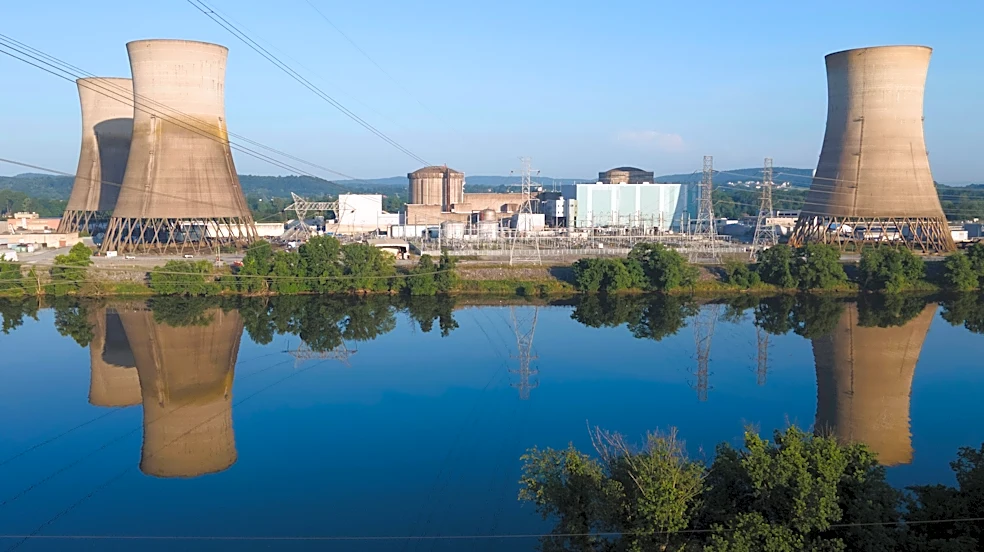
HII, a defense technology solutions provider, is actively supporting the U.S. Department of Energy's (DOE) national security mission. This support includes the management and operation of DOE sites and the safe cleanup of legacy waste across the country,
addressing nuclear and environmental challenges. Concurrently, HII's Mission Technologies division is seeking a Software Engineer to join its Joint Wargaming and Experimentation Division (JWED) in Suffolk, VA. This role is crucial for the Globally Integrated Wargame Modernization effort for Joint Staff J7. The selected engineer will be responsible for deploying and configuring Artificial Intelligence (AI) solutions, including large language models (LLMs), in secure, air-gapped environments. Key responsibilities involve optimizing vLLM performance, managing configuration files, writing Python scripts for automation, deploying and troubleshooting Docker-based applications, and administering Linux systems. The position requires hands-on Linux experience, working knowledge of Docker, basic Python scripting skills, and familiarity with AI/ML concepts.
Why It's Important?
HII's involvement in the Department of Energy's national security mission is vital for maintaining the integrity and safety of the nation's nuclear infrastructure and addressing critical environmental remediation efforts. This partnership underscores the private sector's role in supporting governmental defense and environmental objectives. The recruitment of an AI Integration Engineer highlights a significant trend in national security: the increasing integration of advanced AI technologies into military and defense operations. The focus on deploying LLMs in secure, air-gapped environments indicates a strategic move to leverage AI for wargaming and experimentation while mitigating cybersecurity risks. This development is crucial for enhancing the U.S. military's preparedness and strategic capabilities, as AI can simulate complex scenarios, analyze vast amounts of data, and provide insights that improve decision-making and operational effectiveness. The demand for specialized AI talent reflects a broader shift towards technology-driven defense strategies, impacting the job market for skilled engineers and technologists.
What's Next?
The Department of Energy will continue to rely on partners like HII for the management and operation of its critical sites and the ongoing cleanup of legacy waste, ensuring the nation's nuclear and environmental security. For HII, the immediate next step is to fill the Software Engineer position to advance the Joint Wargaming and Experimentation Division's AI integration efforts. This will involve a rigorous selection process to find candidates with the required technical skills in Linux, Docker, Python, and AI/ML concepts, along with an active Secret security clearance. Once the position is filled, the focus will shift to the practical deployment and optimization of AI solutions within secure military environments. This integration is expected to lead to more sophisticated wargaming simulations and enhanced analytical capabilities for the Joint Staff J7. Future developments will likely include further expansion of AI applications in defense, requiring continuous innovation and recruitment of specialized talent to keep pace with evolving technological demands and national security needs.
Beyond the Headlines
The collaboration between HII and the Department of Energy, coupled with the push for AI integration in defense, signifies a deeper strategic imperative to modernize national security infrastructure and capabilities. The emphasis on secure, air-gapped environments for AI deployment underscores the critical balance between leveraging cutting-edge technology and safeguarding sensitive national security information from cyber threats. This approach reflects a growing awareness of the dual-use nature of AI, where its immense potential must be carefully managed to prevent misuse or vulnerabilities. Furthermore, the demand for AI experts in defense highlights a broader societal shift towards a technology-driven workforce, where specialized skills in areas like AI, machine learning, and cybersecurity are becoming increasingly valuable across various sectors, including government and defense. This trend also raises ethical considerations regarding the autonomous capabilities of AI in military applications and the need for robust oversight and policy frameworks to ensure responsible development and deployment.