







What's Happening?
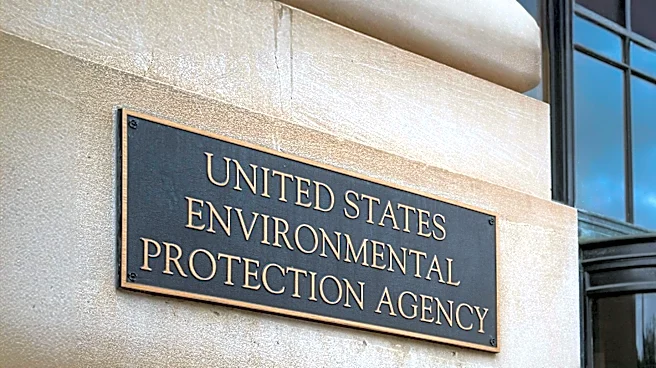
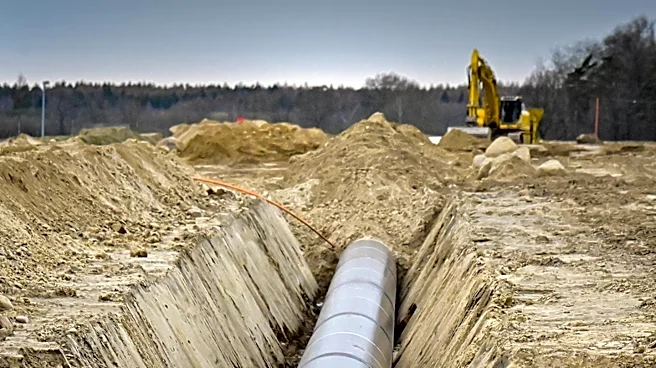
Milwaukee is actively working to replace tens of thousands of lead water pipes, a critical initiative driven by a 2037 deadline set by the U.S. Environmental Protection Agency. The Milwaukee Water Works has successfully replaced lead pipes at over 6,000
properties through its priority program, which commenced less than three years ago. This effort has primarily focused on the city's North Side and is now expanding into near South Side neighborhoods. The utility anticipates reaching a significant milestone of 20,000 lead lines replaced in the coming year. A key component of this prioritization is a tool developed by University of Wisconsin-Madison researchers, which assesses neighborhood socioeconomic disadvantage, the percentage of children with lead poisoning, and lead service line density to determine areas of highest risk and need. This systematic approach ensures that replacements are directed to communities where they will yield the greatest benefits, particularly those facing compounded risks from lead exposure and financial disadvantages.
Why It's Important?
The replacement of lead water pipes in Milwaukee is vital for public health, especially for children, as lead exposure poses significant health risks. The city's proactive approach, utilizing a sophisticated prioritization tool, highlights a commitment to addressing environmental justice by focusing on disadvantaged neighborhoods. The potential loss of Bipartisan Infrastructure Law funding after 2028 introduces a substantial financial challenge, which could impact the pace and equity of future replacements. If the city reverts to a system requiring homeowners to cover part of the replacement costs, it could disproportionately burden residents in financially vulnerable areas, undermining the program's equity goals. This situation underscores the broader national challenge of funding large-scale infrastructure projects and ensuring equitable access to safe drinking water, particularly in older urban centers with aging infrastructure.
What's Next?
Milwaukee officials are preparing to address the looming funding gap for lead pipe replacements as Bipartisan Infrastructure Law funding is set to expire in 2028. A critical decision point will be how to finance the remaining replacements, with discussions potentially revisiting a model where homeowners contribute to the cost of replacing privately owned service lines. This could lead to significant debate, especially given the program's current focus on equity and providing free replacements to eligible residents. The city will need to explore alternative funding mechanisms or advocate for continued federal support to meet the 2037 EPA deadline without placing undue financial strain on its residents. The ongoing success of the program will depend on securing stable, long-term funding to ensure all lead pipes are replaced, safeguarding public health across the city.
Beyond the Headlines
The Milwaukee lead pipe replacement initiative extends beyond mere infrastructure upgrades; it touches upon deep-seated issues of environmental justice and public health equity. The use of the Area Deprivation Index (ADI) to prioritize replacements demonstrates an innovative approach to public health, recognizing that socioeconomic factors significantly influence health outcomes. This model could serve as a blueprint for other U.S. cities grappling with similar infrastructure challenges and health disparities. The potential shift in funding responsibility back to homeowners highlights the ethical dilemma of who bears the cost of historical infrastructure neglect, particularly when the most vulnerable communities are often the most affected. This situation underscores the need for comprehensive, federally supported solutions to address systemic environmental health risks in urban areas, ensuring that access to basic necessities like clean water is not dictated by economic status.