





What's Happening?
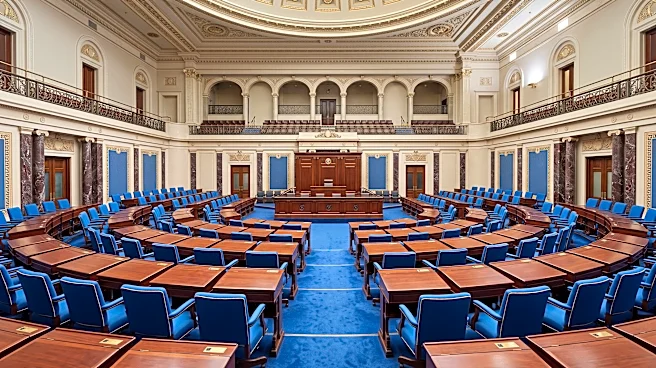
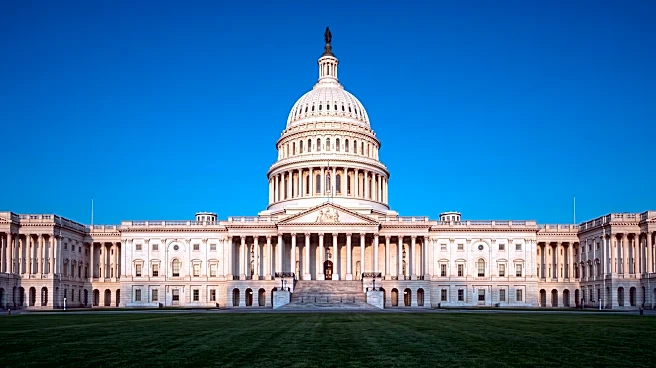
U.S. Senators Brian Schatz and Mazie Hirono, both Democrats representing Hawai'i, have introduced a Senate resolution to officially designate September 2026 as Hawaiian History Month. This resolution aims to formally recognize and celebrate the rich history,
culture, and significant contributions of Native Hawaiians and the state of Hawai'i. The initiative builds upon an existing state-level designation of September as Hawaiian History Month, seeking to elevate its recognition at a federal level. Senator Hirono emphasized that Hawai'i's narrative is deeply rooted in the wisdom, leadership, and enduring heritage of Native Hawaiians, highlighting their immeasurable contributions across the islands and nationwide. The resolution outlines five key goals, including honoring Native Hawaiian history and culture, recognizing the importance of Public Law 103–150 and reconciliation efforts, commending the revitalization of Native Hawaiian language and traditions, encouraging federal agencies and educational institutions to observe the month with appropriate activities, and calling on federal agencies to promote programs that acknowledge the special political and trust relationship with the Native Hawaiian Community. Public Law 103-150, enacted in 1993, acknowledged the illegal overthrow of the Kingdom of Hawai'i in 1893 and affirmed the inherent sovereignty of the Native Hawaiian people.
Why It's Important?
The designation of September as Hawaiian History Month at the federal level is important for several reasons. It provides a national platform to educate the broader U.S. public about the unique history, cultural traditions, and values of Native Hawaiians, which Senator Schatz noted are essential to what makes Hawai'i special. This recognition can foster a deeper understanding of indigenous cultures within the United States and promote cultural preservation efforts. Furthermore, the resolution's emphasis on Public Law 103–150 and reconciliation efforts underscores the ongoing commitment to addressing historical injustices and affirming the inherent sovereignty of the Native Hawaiian people. By encouraging federal agencies and educational institutions to observe this month, it can lead to increased funding and support for programs that benefit the Native Hawaiian community, including language revitalization and cultural preservation initiatives. This federal acknowledgment also serves as a symbolic gesture of respect and appreciation for Native Hawaiians' contributions, potentially influencing public policy and resource allocation to better serve their needs and uphold their rights.
What's Next?
Following the introduction of the resolution, the next step would involve its consideration and potential passage by the U.S. Senate. If passed, September 2026 would officially be recognized as Hawaiian History Month at the federal level. This designation would likely lead to various observances and educational activities across federal agencies, educational institutions, and civil society organizations, as encouraged by the resolution. These activities could include special programs, ceremonies, and educational initiatives aimed at raising awareness about Native Hawaiian history and culture. The resolution also calls on federal agencies to promote existing programs that recognize and implement the special political and trust relationship with the Native Hawaiian Community, suggesting a potential increase in focus and resources for these programs. The full text of the resolution is available online, allowing for public scrutiny and engagement with its specific provisions and goals.