




What's Happening?
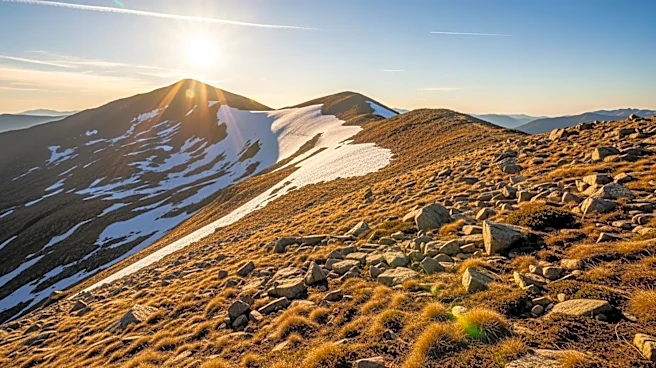
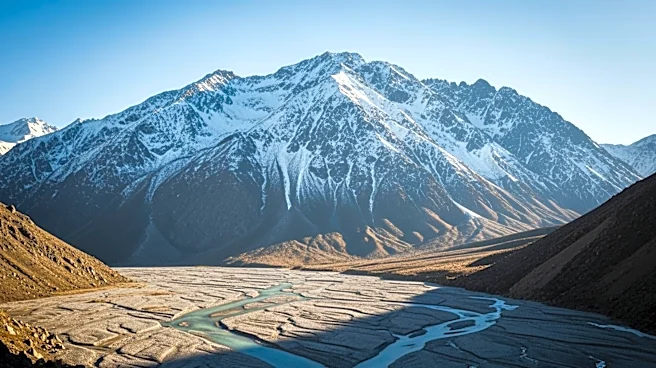
NASA has reported a significant snow drought in the Upper Colorado Basin, with snowpack levels on March 15, 2026, falling below the 2001-2025 average. This lack of snow accumulation, which has been ongoing since October 2025, poses a threat to water resources
in the western United States. The snow water equivalent (SWE) peaked earlier than usual, around March 15, and was below average in most watersheds. This early peak and low snowpack levels are attributed to an intense heatwave in March, which set record high temperatures in the region. The lack of snow is expected to impact hydropower production, agriculture, aquatic ecosystems, and increase the risk of wildfires.
Why It's Important?
The scarcity of snow in the Upper Colorado Basin is critical as it affects the water supply for millions of people and various industries in the western U.S. The snowpack serves as a natural reservoir, releasing water gradually as it melts, which is crucial for maintaining river flows and supporting agriculture and hydropower. The early snowmelt and reduced snowpack could lead to water shortages, affecting farmers, municipalities, and ecosystems that rely on consistent water flow. Additionally, the reduced snowpack increases the risk of wildfires, as dry conditions prevail longer into the year.
What's Next?
Water managers and government agencies are on alert as they prepare for the potential impacts of the snow drought. Strategies may include water conservation measures, adjustments in water allocations, and exploring alternative water sources. The Bureau of Reclamation is considering interventions to manage water levels in Lake Powell, which is at risk of falling below the minimum level needed for power generation. These efforts are crucial to mitigate the effects of the drought and ensure water availability for critical needs.