


What's Happening?
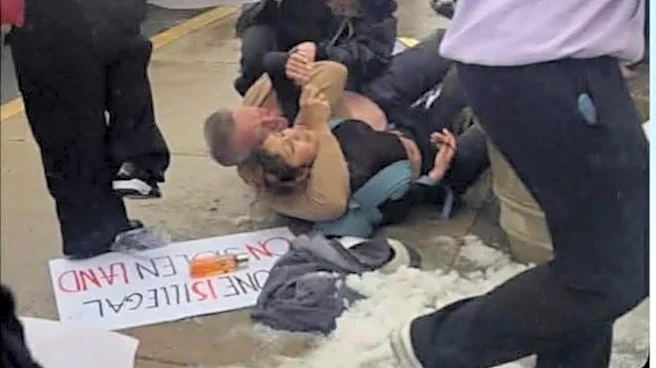
In Quakertown, Pennsylvania, the local police department is under scrutiny following a student protest against ICE that took place in February. The incident involved a confrontation between several teens and the police, including Police Chief Scott McElree,
who was in plain clothes at the time. The confrontation resulted in McElree sustaining significant injuries, such as fractured ribs and a collapsed lung. Initially, five teens were charged, but the district attorney's office later dropped the felony charges and moved to expunge their records. At a recent borough council meeting, about 20 protestors demanded changes in police policy, specifically calling for officers to wear uniforms and properly identify themselves during operations. The district attorney has criticized McElree's actions during the protest, particularly his involvement while in plain clothes.
Why It's Important?
The situation in Quakertown highlights ongoing tensions between law enforcement practices and community expectations, particularly in the context of protests. The demand for police officers to be in uniform and clearly identifiable is a significant issue, as it relates to transparency and accountability in policing. This incident also underscores the broader national conversation about police conduct during protests, especially those involving young people and sensitive topics like immigration enforcement. The outcome of this situation could influence policy changes not only in Quakertown but potentially in other jurisdictions facing similar challenges. It also reflects the community's desire for a more transparent and accountable police force, which could lead to increased trust and cooperation between law enforcement and the public.
What's Next?
The Quakertown Borough Council and the police department may need to address the community's concerns by reviewing and potentially revising their policies regarding officer identification during operations. This could involve implementing new guidelines or training for officers to ensure they are easily recognizable during public interactions. Additionally, the district attorney's office may continue to monitor the situation to ensure that any changes align with legal standards and community expectations. The response from the police department and local government will be crucial in determining whether the community's trust can be restored and whether similar incidents can be prevented in the future.