







What's Happening?
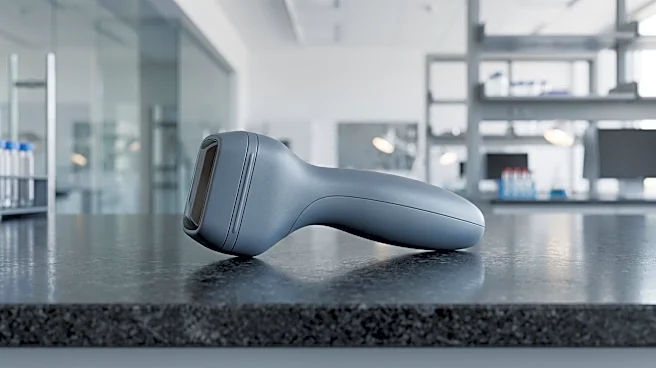
A new study has evaluated the PainWaive, a consumer-grade EEG headset, for its reliability in remote EEG monitoring and neurofeedback research for chronic pain. The research, conducted by a team including James W. Middleton from the University of Washington,
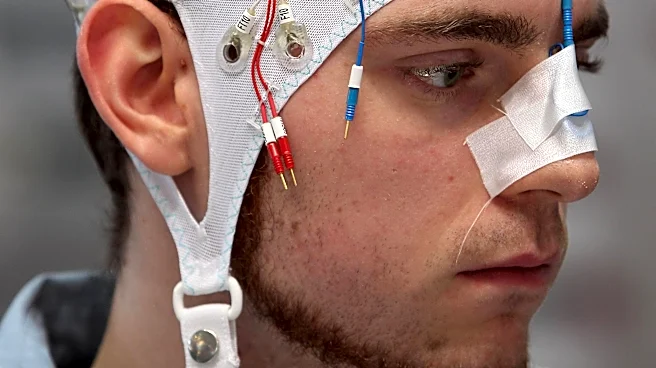
aimed to address limitations of previous evaluations by assessing test-retest reliability, cross-device consistency, and incorporating impedance monitoring. The study recorded resting-state EEG using both PainWaive and a research-grade system (Brain Products LiveAmp) across two sessions. Primary outcomes included alpha, beta, and theta power, and peak alpha frequency (PAF). The evaluation also included a sample of adults with chronic neuropathic pain who completed a 20-session PainWaive neurofeedback program at home.
Why It's Important?
The evaluation of PainWaive is significant for the field of chronic pain management and digital medicine. If consumer-grade EEG headsets can reliably measure brain activity, they could democratize access to neurofeedback therapies and remote monitoring, potentially reducing healthcare costs and increasing patient convenience. This could be particularly impactful for individuals with chronic pain who may have limited access to specialized clinics. The study's findings on reliability and cross-device agreement will inform researchers and clinicians about the appropriate use cases for such devices, helping to bridge the gap between clinical research and at-home patient care. The potential for widespread adoption of such technology could transform how chronic pain is managed outside traditional clinical settings.
What's Next?
The findings suggest that PainWaive demonstrates reliable measurement of central scalp EEG metrics, supporting its use for repeated within-device monitoring. However, cross-device findings indicate that while there is correspondence with research-grade EEG for some measures, direct numerical interchangeability between systems should not be assumed. Future steps will likely involve further validation studies, potentially with larger and more diverse patient populations, to solidify the headset's utility in various chronic pain conditions. Researchers may also focus on refining the device's algorithms and user interface to enhance its effectiveness and ease of use for at-home neurofeedback. The development of standardized protocols for using consumer-grade EEG in clinical practice will also be crucial.
Beyond the Headlines
Beyond its immediate application in chronic pain research, the successful validation of consumer-grade EEG devices like PainWaive has broader implications for personalized medicine and mental health. The ability to monitor brain activity remotely and provide neurofeedback could extend to conditions beyond chronic pain, such as anxiety, depression, and attention disorders. This shift towards accessible, at-home neurotechnology raises important ethical considerations regarding data privacy, the potential for misinterpretation of data by untrained users, and the need for regulatory oversight to ensure device efficacy and safety. It also highlights a growing trend in healthcare towards patient empowerment through technology, allowing individuals to take a more active role in managing their health conditions.