



What's Happening?
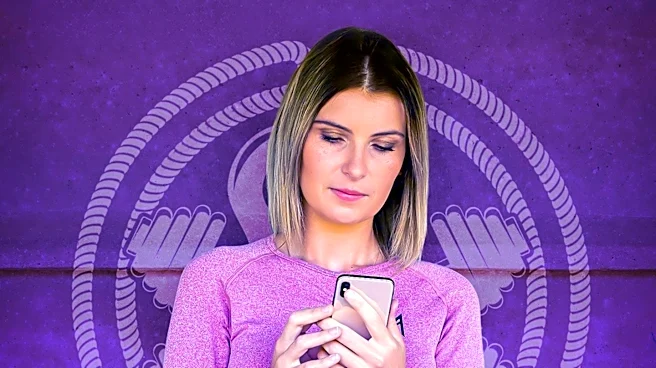
Wellness influencers, such as TikTok personality Santa Cruz with over 1 million followers, are actively promoting health and wellness advice, along with their own branded products like electrolytes, protein supplements, and skincare items. This trend
is particularly prevalent among younger demographics, with approximately half of U.S. adults under 30 reportedly getting their information from social media. However, a significant concern has emerged regarding the medical credentials of many of these influencers. According to the New York Times, fewer than one in five health influencers possess medical qualifications, with most identifying as coaches, dieticians, or entrepreneurs. U-High nurse Mary Toledo has expressed concerns about the ease with which misinformation can spread online due to limited content restrictions, advising students to critically evaluate the sources of their health information.
Why It's Important?
The widespread reliance on wellness influencers for health advice poses a substantial risk to public health in the U.S. The lack of medical credentials among a majority of these influencers means that the information and product recommendations they provide may not be scientifically verified or accurate. This can lead individuals, particularly younger audiences, to adopt unproven or potentially harmful health practices and consume unregulated supplements. The issue highlights a broader challenge in the digital age concerning the dissemination of health information and the difficulty for the public to discern credible sources from those lacking expertise. This trend could impact the healthcare system by potentially increasing instances of self-medication based on inaccurate advice, leading to adverse health outcomes or delaying appropriate medical care.
What's Next?
In response to the growing concern, educational institutions and healthcare professionals are likely to increase efforts to educate the public, especially students, on media literacy and critical evaluation of online health content. U-High nurse Mary Toledo's advice for students to be mindful of information sources and their backing by research suggests a proactive approach to counter misinformation. Regulatory bodies may also face increased pressure to examine the claims made by wellness influencers and the marketing of their products, particularly if those products are presented with unsubstantiated health benefits. Brands that partner with influencers may also need to enhance their due diligence to ensure the credibility of their spokespersons to maintain consumer trust and avoid potential legal or reputational repercussions.
Beyond the Headlines
The phenomenon of wellness influencers underscores a deeper societal shift in how individuals seek and consume information, moving away from traditional authoritative sources towards peer-like figures on social media. This shift has profound ethical implications, as the line between personal endorsement and professional medical advice becomes increasingly blurred. It also highlights the commercialization of wellness, where health advice is often intertwined with product sales, raising questions about conflicts of interest. Culturally, it reflects a growing distrust in established institutions and a preference for accessible, relatable content, even if it lacks scientific rigor. Addressing this trend requires not only better regulation and education but also a re-evaluation of how credible health information is communicated and made accessible to the public in the digital sphere.