


What's Happening?
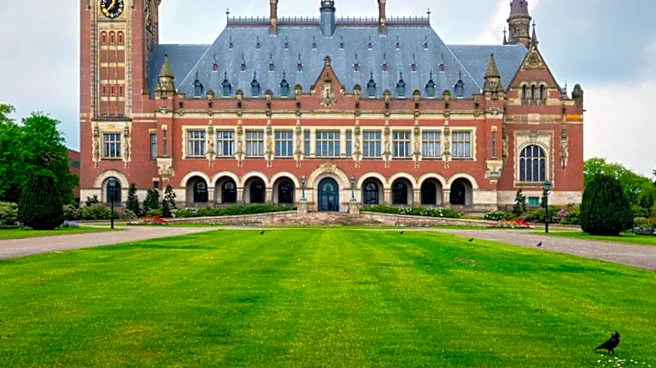
Armenia has formally requested the International Court of Justice (World Court) to order Azerbaijan to withdraw all its troops from civilian establishments in Nagorno-Karabakh and grant the United Nations access to the region. This request follows the defeat
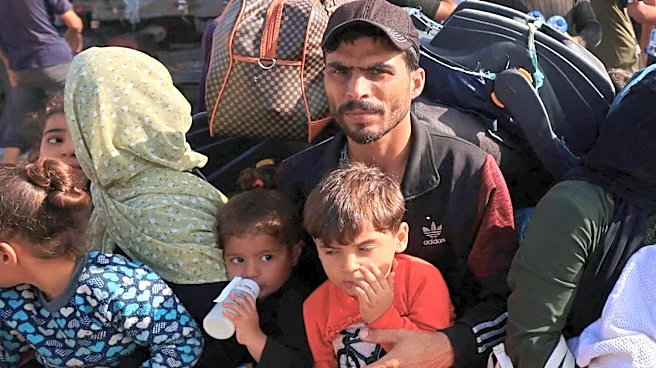
of the ethnic Armenian breakaway region by Azerbaijan last week, which has led to the exodus of over three-quarters of its 120,000-strong ethnic Armenian population. Armenia's submission on Thursday also seeks to reaffirm previous orders from February, which mandated Azerbaijan to ensure free movement through the Lachin corridor, and to prevent any further actions aimed at displacing the remaining ethnic Armenians. International experts have suggested that this mass displacement could constitute the war crime of 'deportation or forcible transfer' or even a crime against humanity. The United States and other nations have urged Baku to permit international monitors into Karabakh due to concerns about potential human rights abuses, an accusation of ethnic cleansing that Azerbaijan strongly denies. Azerbaijan has, however, invited a UN mission to visit Nagorno-Karabakh in the coming days.
Why It's Important?
This development is significant as it escalates the Nagorno-Karabakh conflict to the highest international judicial body, highlighting the severe humanitarian crisis and potential war crimes. The World Court's involvement underscores the international community's concern over the displacement of ethnic Armenians and the protection of human rights in conflict zones. While the court's rulings are binding, it lacks direct enforcement mechanisms, which could pose challenges to their implementation. The U.S. call for international monitors reflects a broader international effort to ensure transparency and accountability, and to prevent further destabilization in the South Caucasus region. The accusations of ethnic cleansing, if substantiated, could have profound implications for international law and diplomatic relations, potentially leading to sanctions or further isolation for Azerbaijan. The mass exodus also creates a significant refugee crisis for Armenia, straining its resources and potentially exacerbating regional tensions.
What's Next?
The World Court will now consider Armenia's request for provisional measures, which could lead to new orders for Azerbaijan regarding troop withdrawal and humanitarian access. The effectiveness of these orders will depend on Azerbaijan's compliance, as the court lacks direct enforcement powers. The invited UN mission to Nagorno-Karabakh will likely conduct an assessment of the situation, and its findings could influence international perceptions and actions. The United States and other international actors will continue to monitor the situation closely, potentially increasing diplomatic pressure on both sides to adhere to international law and protect civilian populations. The long-term implications for the displaced ethnic Armenians, including their potential return or resettlement, remain a critical concern. Further legal and diplomatic battles are anticipated as Armenia seeks to hold Azerbaijan accountable for alleged human rights violations and ethnic cleansing.
Beyond the Headlines
The situation in Nagorno-Karabakh extends beyond immediate humanitarian concerns, touching upon complex historical grievances, geopolitical interests, and the principle of self-determination versus territorial integrity. The mass exodus of ethnic Armenians raises fundamental questions about the future of multi-ethnic regions and the protection of minority rights in post-conflict scenarios. The international community's response will set a precedent for how similar situations are handled globally. The conflict also highlights the limitations of international legal frameworks when faced with a sovereign state's military actions and its willingness to comply with international rulings. The long-term stability of the South Caucasus region, a critical geopolitical crossroads, is at stake, with potential ripple effects on energy routes and regional power dynamics. The cultural and historical heritage of Nagorno-Karabakh, particularly Armenian sites, also faces an uncertain future, raising concerns about cultural erasure amidst the political and demographic shifts.