
What's Happening?
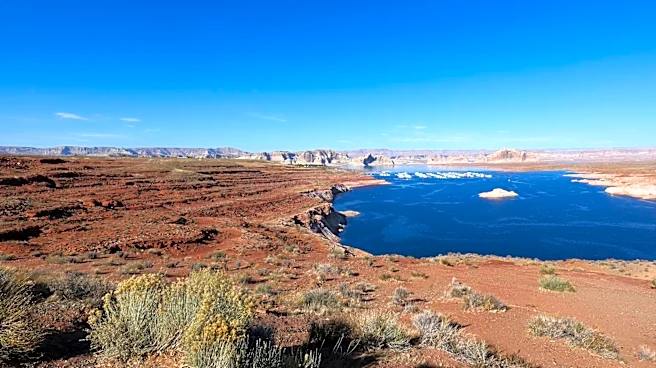
A potential 'super' El Niño event later this year may bring relief to the drought-stricken Colorado River system, which is crucial for water supply across the American West. The Colorado River, spanning
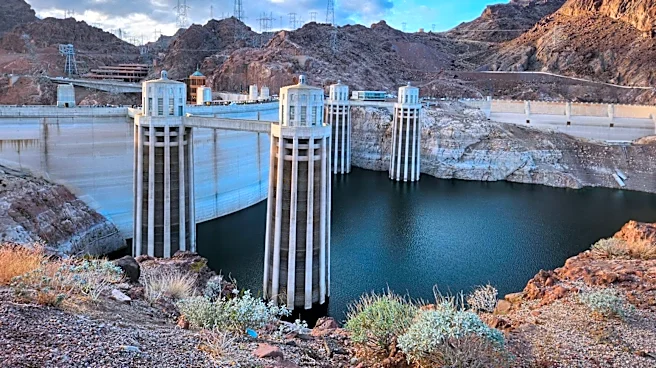
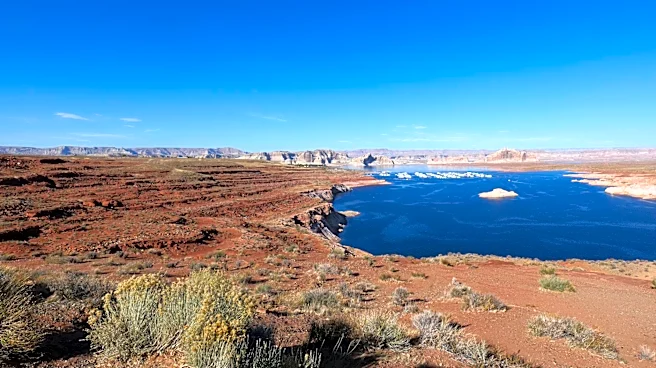
approximately 1,450 miles from the Rocky Mountains to the Gulf of California, provides water to millions of acres of farmland and tens of millions of people. Recent years have seen declining water levels in key reservoirs like Lakes Mead and Powell, raising concerns about water supply, power generation, and local ecosystems. El Niño, a climate pattern that affects global weather, could lead to increased precipitation in the Southwest, potentially improving snowpack and reservoir levels. The National Oceanic and Atmospheric Administration (NOAA) predicts that El Niño conditions are likely to emerge between May and July, with the possibility of a particularly strong event amplifying its impacts.
Why It's Important?
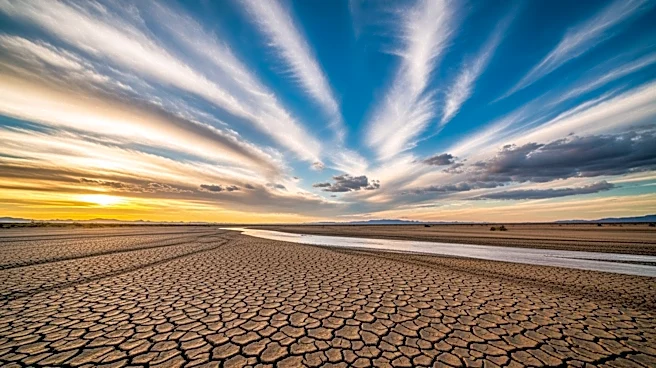
The Colorado River is a vital water source for seven U.S. states and parts of Mexico, supporting agriculture, urban water supply, and hydropower generation. The prolonged drought has threatened these resources, making the potential relief from El Niño significant. Increased precipitation could help replenish reservoirs and improve water availability, benefiting millions of people and vast agricultural areas. However, the extent of relief depends on the orientation of the jet stream and other climate patterns. A strong El Niño could also influence weather patterns beyond the Southwest, affecting hurricane activity and precipitation across the U.S. Gulf Coast and Southeast. The event's impact on the Colorado River system could have broader implications for water management and policy in the region.
What's Next?
As El Niño conditions develop, water managers and policymakers will closely monitor weather patterns and reservoir levels. The potential for increased rain and snow could lead to strategic adjustments in water management to maximize benefits. However, uncertainties remain regarding the exact impact of El Niño, particularly concerning the jet stream's orientation. Continued monitoring and adaptive management will be crucial to address the ongoing drought and ensure sustainable water resources. The situation also highlights the need for long-term strategies to manage water scarcity in the face of climate variability.