




What's Happening?
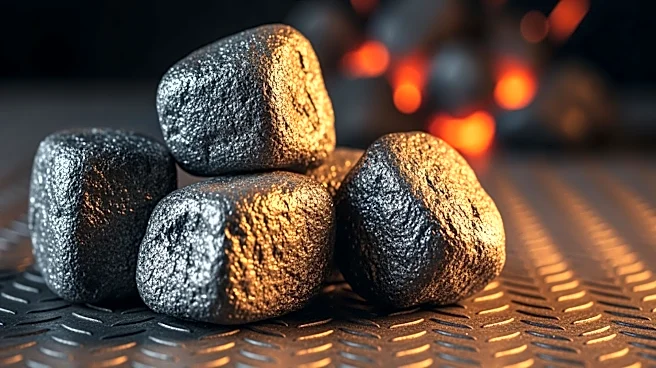
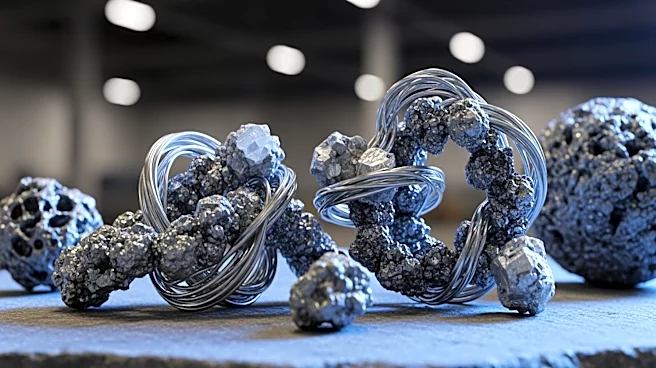
Brazil is emerging as a significant player in the global rare earths market, traditionally dominated by China. The country is home to the world's second-largest rare earth reserves, with an estimated 21 million tons. The demand for rare earth elements,
crucial for technologies like electric vehicles and wind turbines, has surged, doubling since 2015 and expected to grow by another third by 2030. Companies like Meteoric Resources are investing heavily in Brazil, with projects such as the Caldeira project in Minas Gerais, which is believed to be the world's largest ionic clay deposit. This development is part of a broader trend, with Brazil's National Mining Agency seeing a spike in mining applications, reflecting a new 'gold rush' for these critical minerals.
Why It's Important?
The expansion of Brazil's rare earth mining sector could significantly impact global supply chains, reducing reliance on China, which currently accounts for over 90% of global refining capacity. This shift is crucial for industries dependent on rare earths, such as electronics and renewable energy, which have faced supply chain vulnerabilities due to geopolitical tensions. Brazil's ability to process and refine these materials domestically could enhance its economic position and provide a more stable supply for international markets. The involvement of companies like USA Rare Earths, which recently acquired a Brazilian mine, underscores the strategic importance of these resources in global trade and technology development.
What's Next?
Brazil aims to build its own rare earth value chains, moving beyond raw material exportation to include processing and manufacturing. This transition will require time and investment, but the country's geological advantages, such as abundant ionic clay deposits, provide a favorable starting point. The use of renewable energy in mining operations further positions Brazil as a sustainable alternative to other resource-rich countries. As Brazil develops its capabilities, it could attract more international partnerships and investments, potentially reshaping the global rare earths market and reducing China's dominance.
Beyond the Headlines
The development of Brazil's rare earth sector could have broader implications for environmental and economic policies. The use of renewable energy in mining operations aligns with global sustainability goals, potentially setting a precedent for other countries. Additionally, Brazil's approach to adding value through domestic processing could influence other resource-rich nations to reconsider their roles in global supply chains. This shift could lead to more equitable economic growth and reduce the environmental impact of mining by promoting cleaner technologies.