






What's Happening?
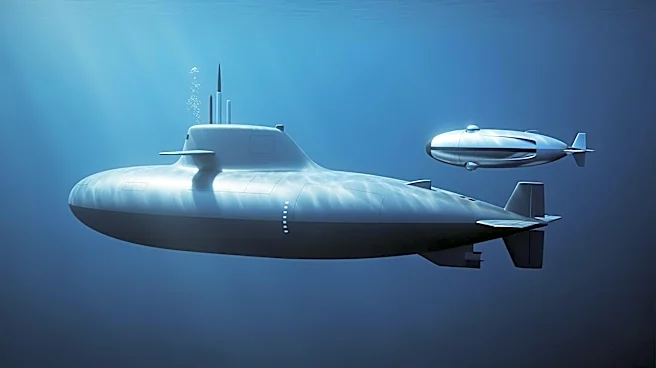
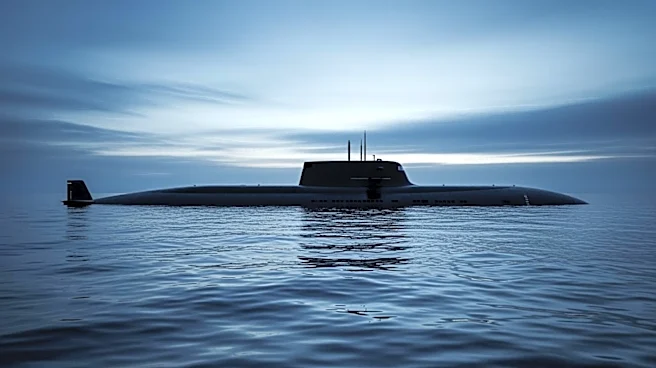
The United States and Australia have finalized an agreement to provide Australia with three second-hand Virginia-class submarines, following 18 months of negotiations. This development was disclosed during a Senate estimates hearing, where senior defense
officials revealed that discussions with Washington began early last year. The agreement marks a significant change to the AUKUS submarine pathway, initially unveiled in 2023. The revised arrangement replaces the previous plan of acquiring two second-hand vessels and one newly-built submarine. The Australian government argues that the new deal will simplify maintenance, training, and operations, as all three submarines will be nearly identical. However, the changes have sparked internal debate within Australia's Labor Party, with some members questioning the pact's future.
Why It's Important?
The agreement is a critical component of the AUKUS security pact, which aims to strengthen defense ties between the U.S., Australia, and the U.K. The provision of submarines is seen as a strategic move to bolster Australia's defense capabilities in the Indo-Pacific region. However, the internal dissent within the Labor Party highlights potential challenges in maintaining a unified stance on national defense strategies. The deal's financial implications are also significant, with the overall project costing approximately $368 billion. While the government claims the revised arrangement will reduce costs, the financial savings are not expected to be transformative. The ongoing debate within the Labor Party could impact public confidence in the agreement and its execution.
What's Next?
The submarines are expected to be transferred to Australia after approximately six years of service with the U.S. Navy, remaining operational for over two decades. As the program progresses, the Australian government will need to address internal party disagreements and ensure public transparency regarding the project's future. The Coalition has already seized on the internal Labor debate, suggesting it could undermine confidence in the AUKUS agreement. Moving forward, the government will need to manage these political dynamics while continuing to engage with the U.S. on defense collaboration.