



What's Happening?
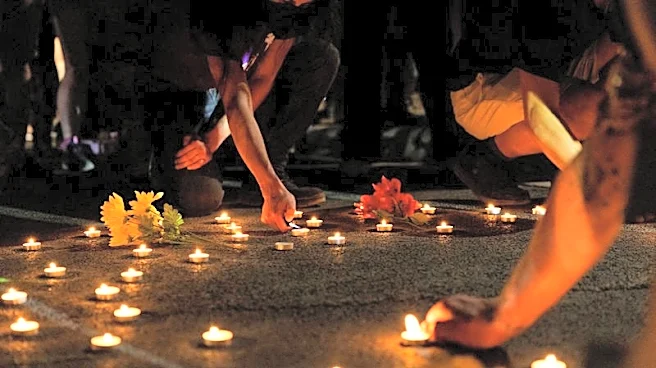
A demonstration was held in Jerusalem's Paris Square, led by the Kasau family, to demand the transfer of the investigation into Haymanot Kasau's disappearance to the Shin Bet (Israel Security Agency). Haymanot Kasau went missing on February 25, 2024,
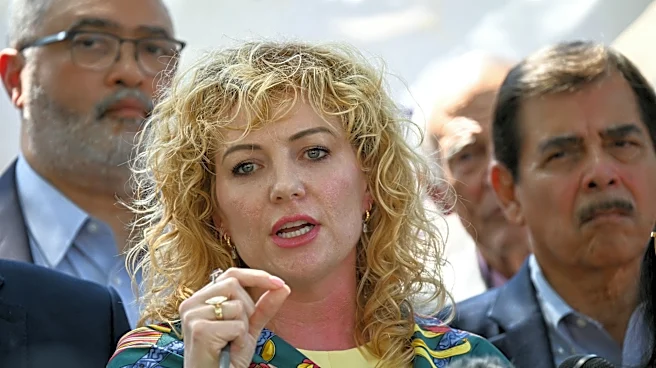
at the age of nine, from the Safed absorption center and has not been found for 941 days. The family has been actively campaigning for increased efforts to locate her, including previous protests outside Lahav 433 offices and a march in Tel Aviv. Tesfaye Kasau, Haymanot's father, expressed frustration with the current investigation, stating that Lahav 433 has provided no answers regarding suspects, investigation direction, or whether all necessary checks, such as phone geolocations and polygraphs, were performed. Shelly Shem Tov, mother of released hostage Omer Shem Tov, spoke at the demonstration, empathizing with the Kasau family's feelings of abandonment and calling for greater public support. The protest follows the Jerusalem Municipality's refusal to permit the family to erect a protest tent.
Why It's Important?
This protest highlights significant public concern regarding the effectiveness and transparency of law enforcement investigations into missing persons cases, particularly when they involve vulnerable individuals. The call for the Shin Bet to take over the investigation suggests a lack of confidence in the current authorities, Lahav 433, to handle complex or long-standing disappearances. The involvement of Shelly Shem Tov, a mother of a freed hostage, underscores the emotional toll on families and the perceived need for a more robust and dedicated response from national security agencies. If the Shin Bet, typically focused on security threats, were to assume responsibility for such cases, it could set a precedent for how high-profile or protracted missing persons investigations are managed in the future, potentially reallocating resources and expertise. The public's demand for accountability and thoroughness in these investigations can influence public trust in governmental institutions and potentially lead to reforms in investigative protocols for missing persons.
What's Next?
The immediate next step for the Kasau family and their supporters is to continue pressing for the transfer of Haymanot's case to the Shin Bet. This may involve further demonstrations, public appeals, and engagement with political figures to exert pressure on the government. The government and relevant law enforcement agencies, including Lahav 433 and the Shin Bet, will need to respond to these demands, either by justifying their current approach or by considering the requested transfer. The public and media attention generated by these protests could also lead to increased scrutiny of other unresolved missing persons cases. Depending on the outcome, there could be a re-evaluation of the roles and responsibilities of different security and law enforcement bodies in handling such investigations, potentially leading to policy changes or enhanced inter-agency cooperation. The family's ongoing campaign will likely continue to seek public and political support to maintain momentum for their cause.
Beyond the Headlines
The ongoing struggle of the Kasau family and the support from figures like Shelly Shem Tov reveal deeper societal issues concerning the perceived value and prioritization of certain missing persons cases. The statement that the investigation is being handled as an "afterthought" and the family's feeling of being alone suggest potential disparities in how cases are addressed, possibly influenced by factors such as the family's background or public visibility. The refusal of the Jerusalem Municipality to allow a protest tent also raises questions about the right to protest and the accessibility of public spaces for advocacy, especially for marginalized communities. This situation could spark broader conversations about systemic biases within law enforcement, the allocation of resources for different types of investigations, and the psychological and social support provided to families of missing individuals. It also highlights the power of collective action and public empathy in driving change and demanding justice for those who feel unheard.