




What's Happening?
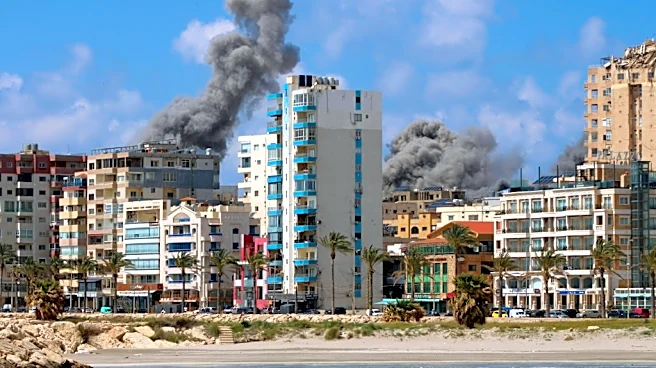
Survivors of a deadly Iranian drone attack on U.S. forces in Kuwait have publicly disputed the Pentagon's account of the incident. The attack, which occurred on March 1, 2026, resulted in the deaths of six service members and injuries to more than 20 others.
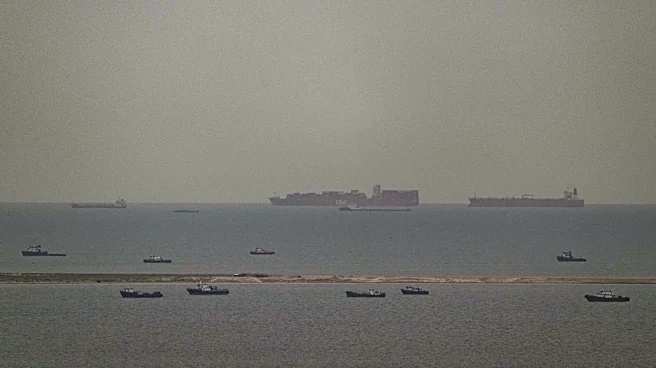
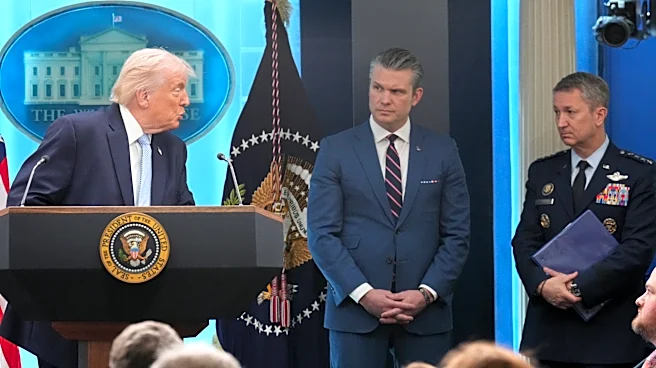
According to CBS News, members of the targeted unit have criticized Defense Secretary Pete Hegseth's description of the drone as a 'squirter' that penetrated the defenses of a supposedly fortified unit. Survivors argue that their unit was unprepared and not adequately fortified against such aerial attacks. The attack took place at a thinly fortified Kuwaiti port facility, where troops were managing logistics across the Middle East. Despite the chaos and injuries, soldiers demonstrated swift and courageous responses, saving lives amidst the devastation.
Why It's Important?
The survivors' accounts raise significant concerns about the preparedness and security measures of U.S. military installations in volatile regions. The incident highlights potential vulnerabilities in defense strategies against drone warfare, which has become increasingly prevalent in modern conflicts. The criticism from survivors suggests a need for reassessment of military protocols and fortifications to better protect service members from aerial threats. This event also underscores the evolving nature of warfare, where drones play a critical role, necessitating adaptations in military defense systems. The Pentagon's handling of the situation and the survivors' call for truth and accountability may influence future military policies and operational strategies.
What's Next?
The Pentagon has initiated an investigation into the attack at the Port of Shuaiba, which may lead to changes in military defense strategies and fortifications. As drone warfare continues to evolve, the U.S. military may need to enhance its capabilities to detect and neutralize aerial threats more effectively. The survivors' testimonies could prompt a reevaluation of troop deployment strategies in regions within range of hostile forces. Additionally, there may be increased scrutiny on the Pentagon's communication and transparency regarding military incidents, potentially affecting public trust and military morale.
Beyond the Headlines
The incident raises ethical questions about the responsibility of military leadership to ensure the safety of service members. The survivors' call for truth and accountability highlights the importance of transparent communication in maintaining trust within the military and with the public. The attack also reflects broader geopolitical tensions in the Middle East, where U.S. forces are stationed amidst ongoing conflicts. The reliance on drones by adversaries like Iran signifies a shift in warfare tactics, challenging traditional military defense systems and necessitating innovative solutions to counter these threats.