



What's Happening?
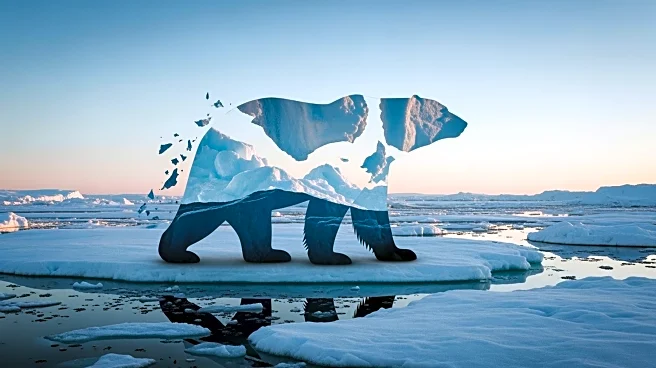
A new study has found that polar bears in the Svalbard archipelago of Norway are adapting to climate change by altering their diet. Despite significant sea ice loss, the bears have become healthier and fatter over the past two decades. Researchers from
the Norwegian Polar Institute discovered that the bears are exploiting new food sources, such as reindeer and walruses, which have become more accessible as their populations have grown. This adaptation has allowed the bears to maintain their body condition despite the challenges posed by a rapidly warming environment.
Why It's Important?
The study challenges the prevailing narrative that climate change is universally detrimental to polar bear populations. While many populations are struggling due to shrinking sea ice, the Svalbard bears appear to be thriving by adapting their diet. This adaptation highlights the resilience of some polar bear populations and suggests that they may be able to cope with certain environmental changes. However, scientists caution that this positive trend may not be sustainable in the long term, as continued sea ice loss could eventually outpace the bears' ability to adapt.
What's Next?
Researchers emphasize the need for ongoing monitoring of polar bear populations to better understand their responses to climate change. The study suggests that while Svalbard bears are currently thriving, other populations may not be as adaptable. Continued research is necessary to determine the long-term impacts of climate change on polar bears and to develop conservation strategies that account for regional differences in their responses to environmental changes.
Beyond the Headlines
The study underscores the complexity of ecological responses to climate change, illustrating that not all species will be affected in the same way. It also raises questions about the long-term viability of polar bear populations as their habitats continue to change. The findings highlight the importance of considering local ecological conditions when assessing the impacts of climate change on wildlife.