
What's Happening?
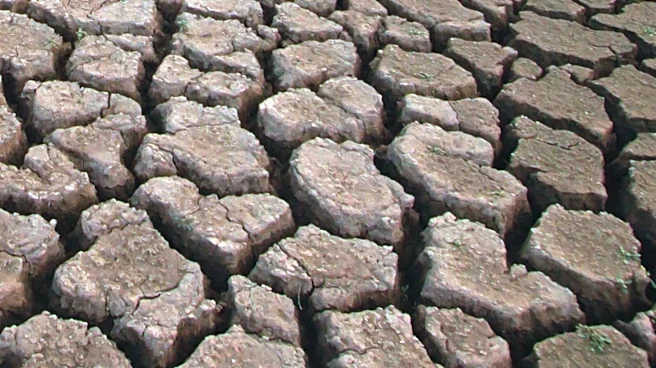
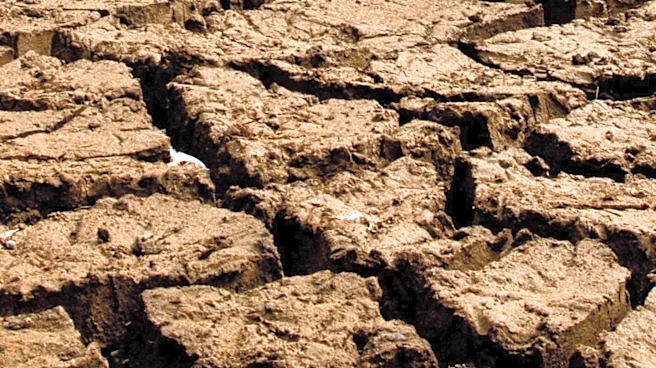
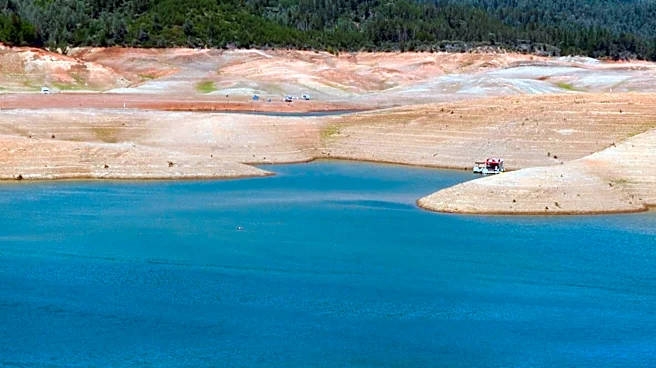
The Netherlands is grappling with a severe water shortage due to prolonged drought and heatwaves. The Royal Netherlands Meteorological Institute (KNMI) reported that the country received only 13 millimeters
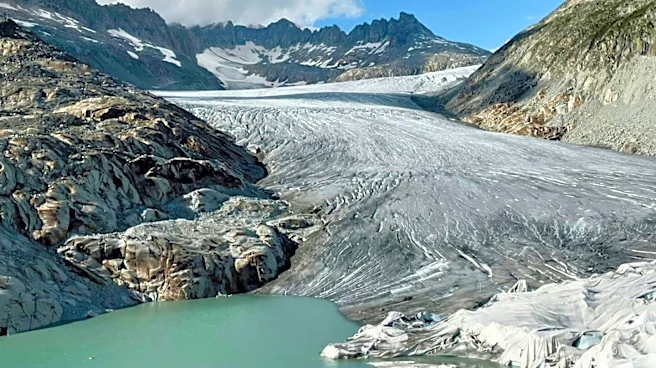
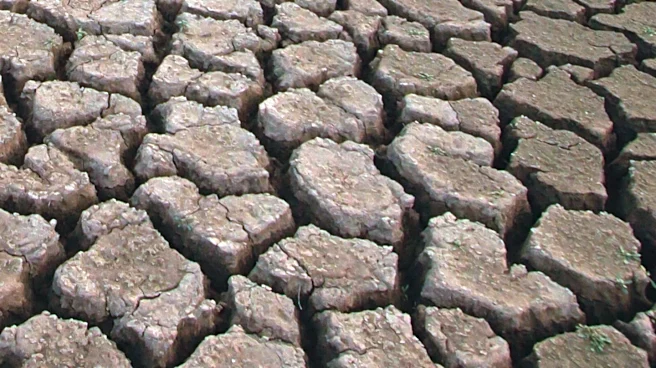
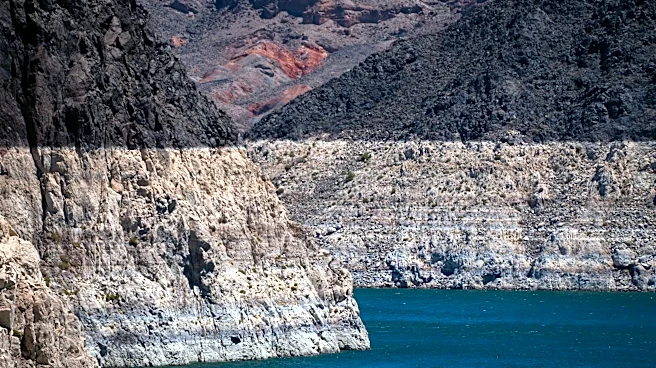
of rainfall in July, significantly below the long-term average of 78 millimeters. The Rhine River, a major source of freshwater, is experiencing reduced water flow, with discharge levels at Lobith recorded at historic lows. The drought has led to the closure of locks on key waterways, disrupting inland shipping and causing economic losses. The situation is exacerbated by repeated heatwaves, increasing evaporation and further depleting water resources.
Why It's Important?
The water shortage in the Netherlands has significant implications for the country's economy and environment. The disruption of inland shipping affects the transport of goods, potentially leading to increased costs and supply chain issues. The agricultural sector, reliant on water for irrigation, may face reduced yields, impacting food supply and prices. Additionally, the risk of wildfires has increased due to dry conditions, posing a threat to natural habitats and communities. The situation highlights the vulnerability of even well-prepared countries to climate change and the need for adaptive measures to manage water resources effectively.
What's Next?
Dutch authorities are likely to continue implementing measures to conserve water, such as closing additional locks and restricting water usage. The government may also explore long-term strategies to enhance water management and infrastructure resilience. International cooperation and support may be sought to address the broader impacts of climate change. The situation underscores the importance of global efforts to mitigate climate change and adapt to its effects, as countries worldwide face similar challenges.