



What's Happening?
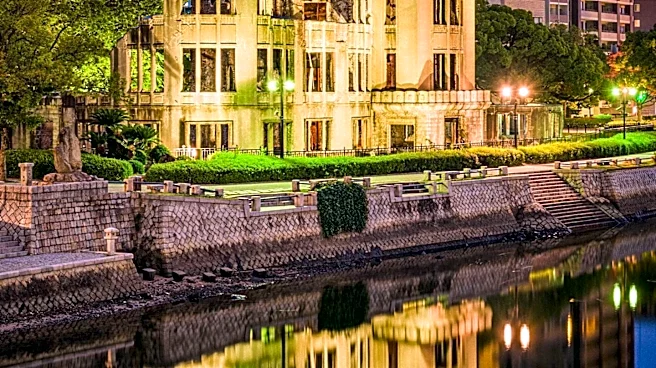
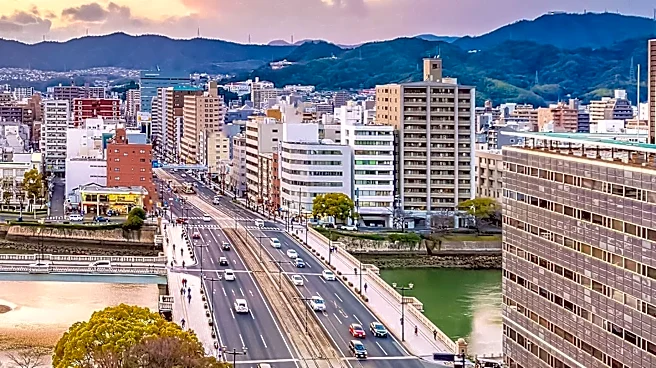
On Riverside Drive between 105th and 106th streets in New York City, a 15-foot bronze statue of Shinran Shonin, a 12th-century Buddhist monk, stands as a testament to resilience and peace. Originally located near Hiroshima, the statue survived the nuclear
attack on August 6, 1945, and was later sent to New York in the 1950s as a gesture of peace. It now resides at the New York Buddhist Church. The block, seemingly quiet, is steeped in history, with stories of ambition, scandal, and survival. Notable past residents include Robert Benson Davis, the 'baking powder king,' and Bernard McMahon, known as 'Bennie the Bum,' who was involved in a major heist. The area also housed figures like Duke Ellington's family and actress Marion Davies.
Why It's Important?
The presence of the Shinran Shonin statue on the Upper West Side serves as a poignant reminder of the enduring impact of historical events like the Hiroshima bombing. It symbolizes peace and resilience amidst a backdrop of human ambition and intrigue. The stories surrounding the block highlight the diverse and complex history of New York City, reflecting broader themes of survival, innovation, and the human condition. This narrative enriches the cultural tapestry of the city, offering residents and visitors alike a deeper understanding of its multifaceted past.
What's Next?
The Shinran Shonin statue will continue to stand as a symbol of peace and resilience, attracting visitors and historians interested in its unique story. The block's rich history may inspire further exploration and documentation, potentially leading to more public interest and preservation efforts. As New York City evolves, the stories of its past residents and landmarks will likely continue to be unearthed, contributing to the ongoing narrative of the city's dynamic history.
Beyond the Headlines
The statue's survival of the Hiroshima bombing and its subsequent relocation to New York City highlight themes of cultural exchange and reconciliation. It serves as a physical reminder of the consequences of war and the importance of peace. The diverse stories of the block's past residents reflect the broader American narrative of opportunity, innovation, and the pursuit of the American Dream, despite personal and societal challenges.