


What's Happening?
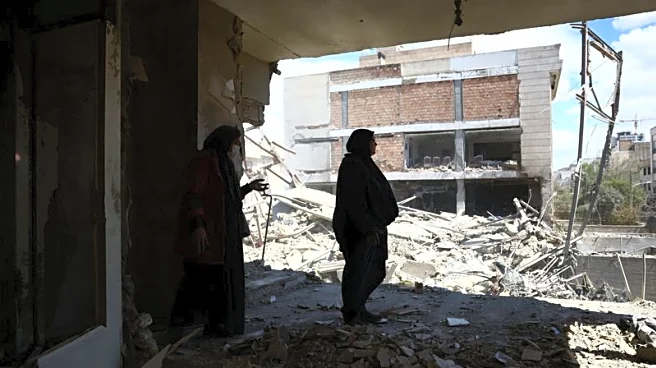
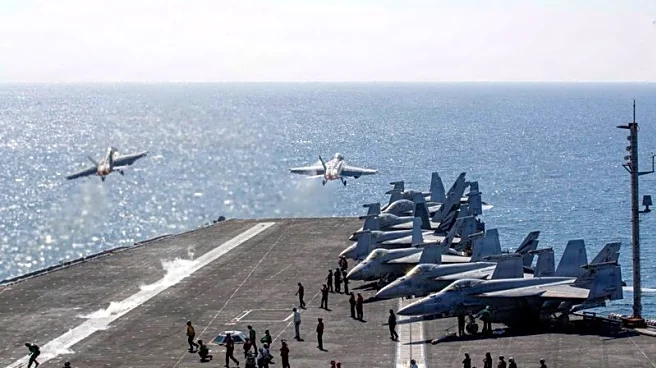
President Trump is set to address the nation regarding the ongoing war with Iran, with expectations of a resolution within two to three weeks. Trump has suggested that a deal could be reached sooner, although Iran's foreign minister has stated that the country
is prepared for at least six months of conflict. The minister also refuted Trump's claims of serious discussions with a new regime in Iran, indicating no direct negotiations with Washington. This development comes amidst heightened tensions and differing narratives from both nations.
Why It's Important?
The outcome of the conflict with Iran holds significant implications for U.S. foreign policy and international relations. A swift resolution could stabilize the region and reduce military expenditures, while prolonged conflict may strain diplomatic ties and impact global oil markets. The differing narratives from the U.S. and Iran highlight the complexities of international diplomacy and the challenges in achieving a peaceful resolution. Stakeholders, including political leaders and economic sectors, are closely monitoring the situation for potential impacts on trade and security.
What's Next?
President Trump's upcoming address may provide clarity on the U.S. strategy and potential diplomatic efforts. The administration's next steps could involve intensified negotiations or military actions, depending on Iran's response. Political leaders and international allies are likely to react to Trump's statements, influencing future diplomatic engagements. The situation remains fluid, with potential shifts in alliances and geopolitical dynamics based on the evolving conflict.