





What's Happening?
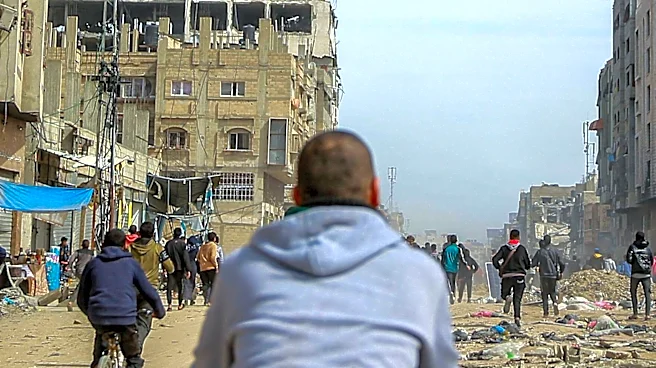
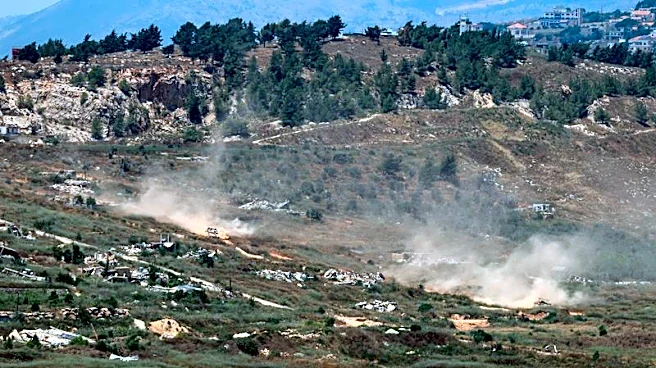
Ceasefires in the Middle East, particularly involving Israel, Iran, and Lebanon, are under scrutiny as ongoing conflicts continue despite agreements. The term 'ceasefire' is being questioned as fighting persists in regions like Gaza and Lebanon. Analysts
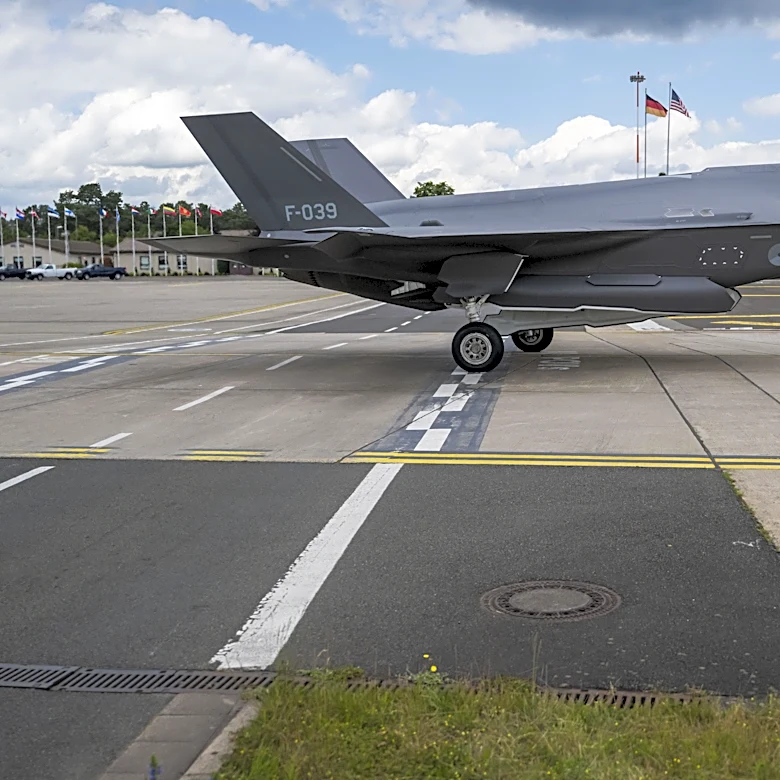
note that these agreements often serve as temporary pauses rather than lasting peace solutions. The situation is further complicated by geopolitical tensions and the involvement of major powers like the United States. The concept of a ceasefire is evolving, with breaches and strategic hostilities becoming part of the negotiation process.
Why It's Important?
The ongoing conflicts and the nature of ceasefires in the Middle East have significant implications for regional stability and international relations. These ceasefires, while intended to reduce hostilities, often fail to achieve lasting peace, leading to continued violence and humanitarian crises. The involvement of global powers, including the U.S., adds layers of complexity to the situation. Understanding the dynamics of these ceasefires is crucial for policymakers and international organizations aiming to mediate and resolve conflicts in the region.
What's Next?
The future of ceasefires in the Middle East will likely involve continued negotiations and diplomatic efforts to address underlying issues. The role of international mediators and the strategic interests of involved nations will shape the outcomes. As ceasefires evolve, there may be a push for more comprehensive peace agreements that address the root causes of conflict. Monitoring the situation and adapting strategies will be essential for achieving long-term stability in the region.