






What's Happening?
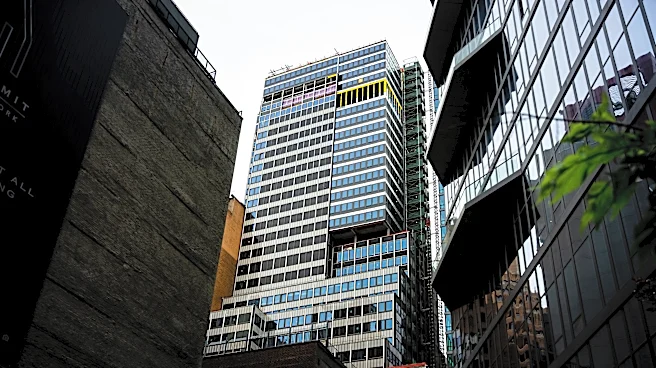
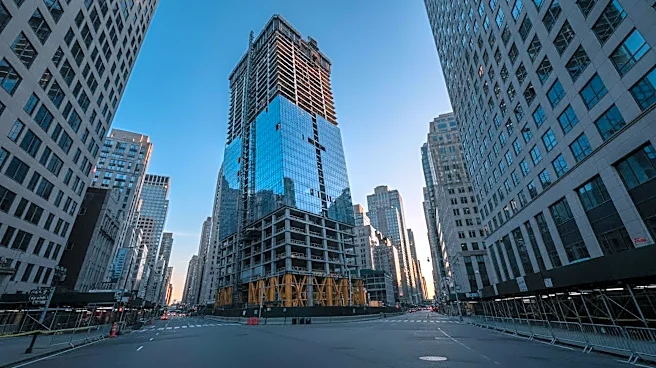
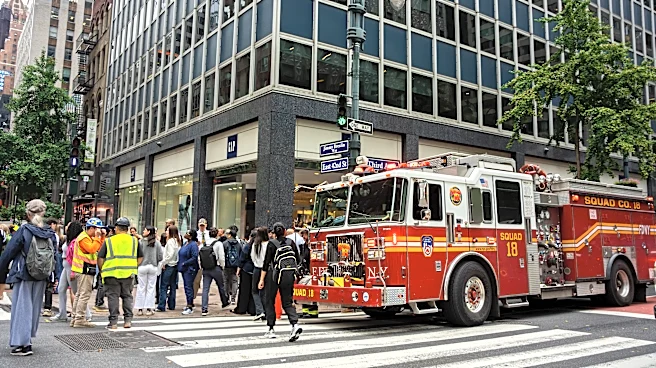
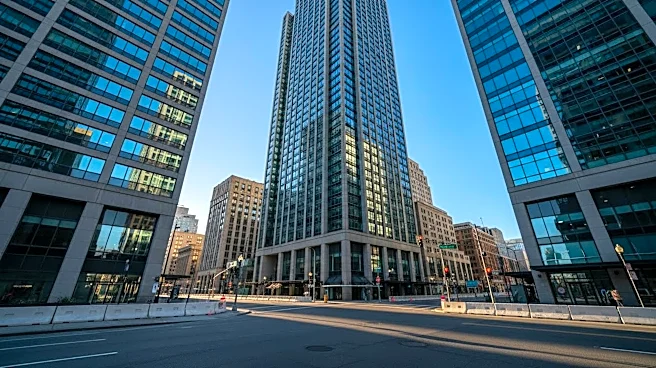
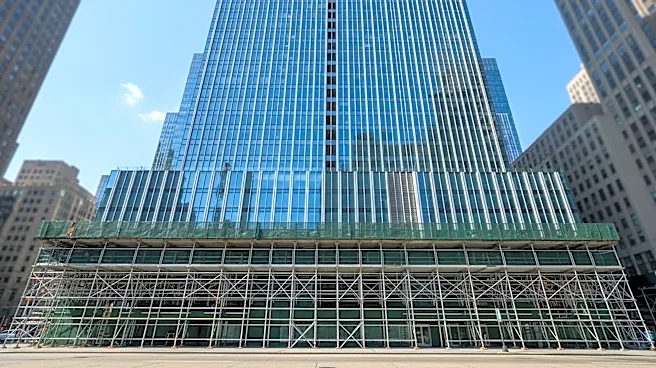
An under-construction high-rise in Manhattan, formerly the global headquarters of pharmaceutical giant Pfizer, is facing stability issues after columns buckled and floors sagged. This has led to the evacuation of the building and nearby structures, including
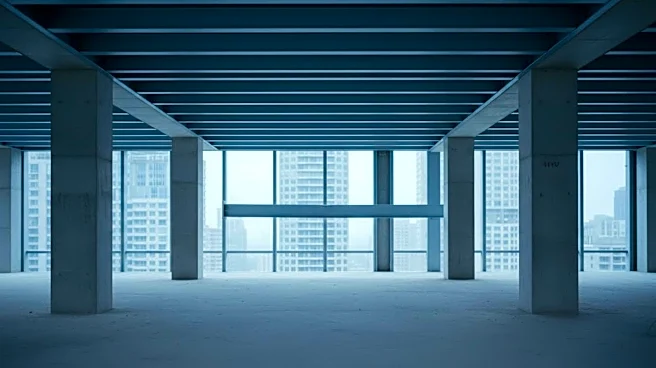
a school and diplomatic offices. The building, which is being converted into luxury apartments, experienced structural problems when a steel beam on the 21st floor was compromised, causing two support columns to buckle. Emergency repairs are underway to stabilize the building, which is located near Grand Central train station. The project, touted as the largest office-to-residential conversion in New York City history, is scheduled for completion in 2027.
Why It's Important?
The instability of the high-rise poses significant safety concerns for the densely populated area of midtown Manhattan, affecting commuters, residents, and tourists. The incident highlights the challenges and risks associated with converting older office buildings into residential spaces, a trend that is becoming more common in urban areas. The evacuation and street closures disrupt daily activities and could have economic implications for local businesses. Additionally, the situation raises questions about construction safety standards and the adequacy of oversight in such large-scale projects.
What's Next?
City officials and construction teams are working to stabilize the building, with emergency repairs expected to continue in the coming days. The investigation into the cause of the structural failure is ongoing, with experts suggesting that the buckled columns may need to be replaced. The outcome of this investigation could influence future construction practices and regulations. Meanwhile, the affected area remains under scrutiny, with some residents and businesses allowed to return as safety permits.
Beyond the Headlines
The incident underscores the potential risks of urban redevelopment projects, particularly those involving older structures. It also highlights the importance of rigorous safety inspections and the need for contingency plans in case of structural failures. The situation may prompt a reevaluation of building codes and safety protocols, potentially leading to stricter regulations for similar projects in the future.