
What's Happening?
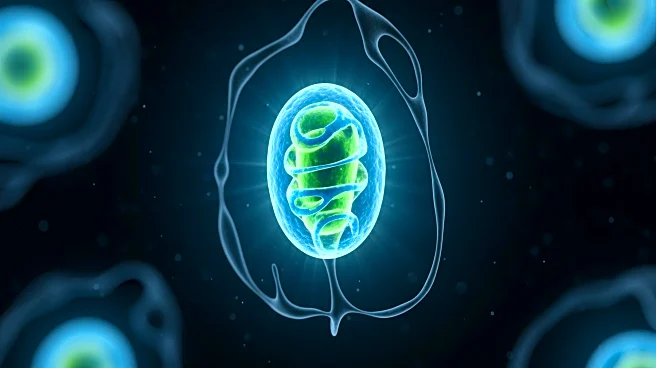
Researchers at Texas A&M University have developed a method to potentially 'recharge' cells by regenerating mitochondria, the energy-producing components of cells. This breakthrough involves using biomaterial
structures implanted within donor stem cells to enhance mitochondrial production. When these enhanced cells are introduced to damaged cells, they transfer mitochondria, rejuvenating the recipient cells. This method, still in the experimental phase, shows promise for treating degenerative diseases by addressing mitochondrial dysfunction, a common factor in such conditions. The research aims to improve cellular energy production, potentially reversing some effects of aging and disease.
Why It's Important?
This development could have significant implications for treating degenerative diseases and age-related cellular decline. By enhancing mitochondrial function, the method offers a potential therapeutic avenue for conditions like neurodegenerative and cardiovascular diseases, where energy production is compromised. The ability to rejuvenate cells could lead to breakthroughs in extending healthy lifespan and improving quality of life for individuals with mitochondrial dysfunction. This research also highlights the growing field of regenerative medicine, which seeks to repair or replace damaged tissues and organs, offering hope for more effective treatments in the future.
What's Next?
The next steps involve conducting animal studies to test the efficacy and safety of this mitochondrial regeneration method before considering human trials. Researchers aim to refine the technique and explore its application in various degenerative conditions. If successful, this approach could revolutionize treatment strategies for diseases linked to mitochondrial dysfunction. The scientific community will closely monitor these developments, as they could pave the way for new therapies that enhance cellular health and longevity.