


What's Happening?
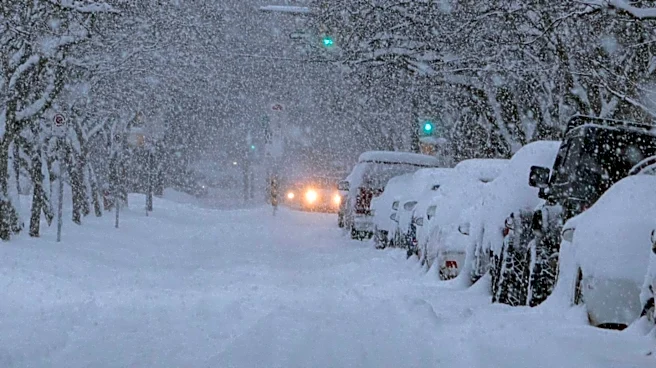
A Winter Weather Advisory has been issued for parts of the Chicago area and northwest Indiana, effective from midnight Friday to 10 a.m. Friday. The National Weather Service announced that a lake-effect weather system will transition from rain to snow,
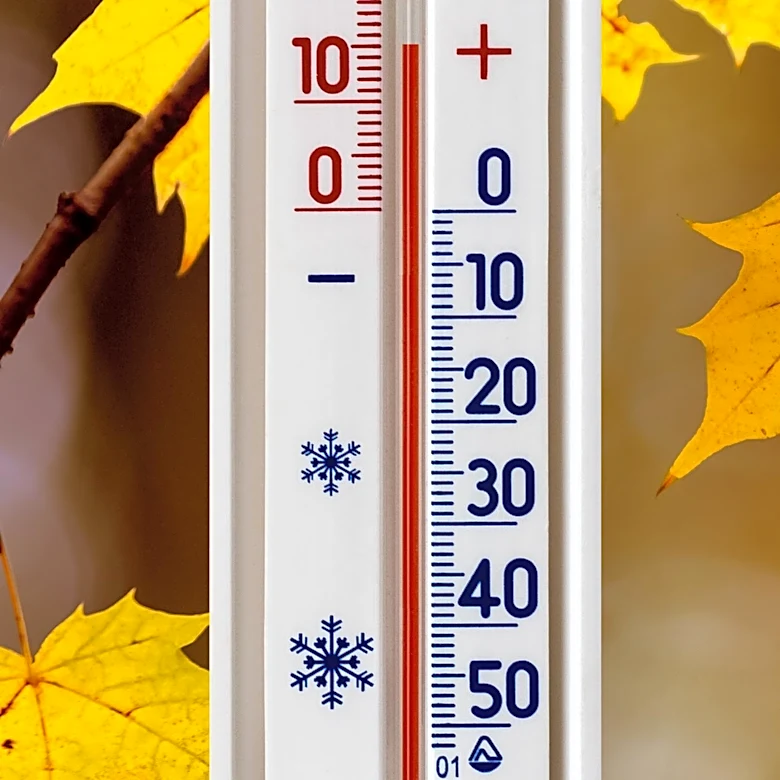
bringing slushy accumulations primarily east of Interstate 57 and near or north of the Kankakee River. Areas affected include eastern Will County, southern Cook County, and Lake County in Indiana. Drivers are advised to prepare for reduced visibility and slick elevated roadways, particularly bridges and overpasses, due to hazardous travel conditions. Temperatures are expected to drop into the upper 20s and mid-30s late Thursday night through Friday morning, with daytime highs reaching 40 to 44 degrees on Friday afternoon before another brief transition to snow showers Friday night into Saturday morning.
Why It's Important?
This advisory marks the season's first significant snowfall for the Chicago metropolitan area, impacting daily commutes and potentially causing disruptions for residents and businesses. The localized nature of lake-effect snow means that snowfall totals can vary sharply over short distances, making travel unpredictable. The warning for reduced visibility and slick roadways underscores the importance of driver caution and preparedness, which can affect transportation logistics and public safety. For local authorities, this event triggers the activation of winter weather protocols, including road treatment and emergency response, to mitigate potential hazards and ensure the smooth functioning of essential services.
What's Next?
The Winter Weather Advisory will remain in effect until 10 a.m. Friday, with periods of lake-effect snow expected to develop late Thursday night and continue into Friday morning. After a brief shift back to rain on Friday afternoon, another transition to lake-effect snow showers is anticipated Friday night into Saturday morning, primarily in northwest Indiana. Dry conditions are forecast to return from Saturday afternoon through Monday, with temperatures gradually rising. Residents in the affected areas should monitor local weather updates for any changes to the forecast and plan their travel accordingly. Emergency services will be on standby to respond to any weather-related incidents.
Beyond the Headlines
The onset of winter weather in a major metropolitan area like Chicago has broader implications beyond immediate travel disruptions. It highlights the region's vulnerability to lake-effect phenomena, which can create highly localized and intense weather events. This annual transition to winter weather also impacts energy consumption, public health (due to cold exposure), and the local economy, particularly for businesses reliant on transportation or outdoor activities. The National Weather Service's low confidence regarding the exact timing of the rain-to-snow changeover and the precise track of the snow band underscores the inherent challenges in forecasting such localized weather patterns, emphasizing the need for continuous monitoring and adaptive public response strategies.