
What's Happening?
Despite the United States having abundant natural gas reserves, with the U.S. Energy Information Administration projecting record production levels in 2026 and 2027, the nation faces significant challenges
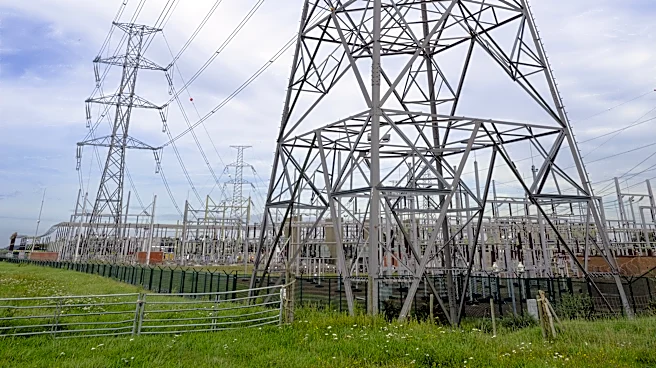
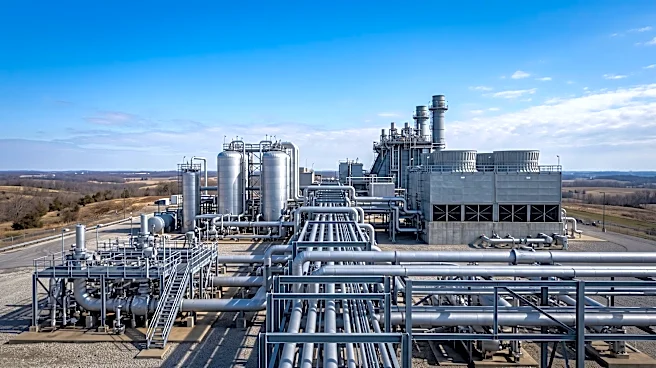
in converting this fuel into usable electricity. The core issue is not the availability of natural gas but the infrastructure and machinery required to process and transport it, and then generate power. There are substantial backlogs for large gas turbines, with manufacturers like GE Vernova reporting 122 gigawatts of gas-power equipment backlog. This means that even with available fuel and construction sites, projects can be delayed for years awaiting critical machinery. Furthermore, regional price variations indicate that gas can be plentiful in producing areas but inaccessible elsewhere due to pipeline limitations. The demand for electricity, particularly from new data centers, is outstripping the pace at which power plants, substations, and transmission lines can be built, leading to a nationwide capacity shortage.
Why It's Important?
This bottleneck in power generation infrastructure poses a critical threat to U.S. economic growth and energy security. Industries, especially the rapidly expanding data center sector, require reliable and immediate power, but are facing years-long waits for grid connections or essential generating equipment. This situation can deter investment, slow technological advancement, and increase operational costs for businesses reliant on consistent electricity supply. The inability to efficiently convert abundant natural gas into power also undermines the nation's energy independence goals and its capacity to meet rising electricity demand. Furthermore, the reliance on older, less efficient infrastructure contributes to grid instability, making the system vulnerable to outages and disruptions. Addressing these infrastructure and manufacturing delays is crucial for maintaining economic competitiveness, supporting industrial expansion, and ensuring a stable energy supply for American consumers and businesses.
What's Next?
In response to the turbine backlog, companies are exploring alternative solutions, such as adapting aircraft engine technology for ground-based power generation. FTAI Aviation, for instance, is developing aeroderivative turbines like the Mod-1, with over 100 units under contract for planned 2027 and 2028 deliveries. While these smaller units can help bring generating capacity online sooner, they still require significant supporting infrastructure. The ongoing demand for power, particularly from data centers, will likely continue to drive innovation in power generation and accelerate the construction of related infrastructure. However, the fundamental issues of long lead times for large-scale equipment and the need for extensive planning and construction will persist. This situation will likely intensify calls for improved supply chain resilience in the energy sector and more efficient permitting processes for power infrastructure projects across the U.S.
Beyond the Headlines
The current power generation bottleneck highlights a deeper systemic issue within the U.S. industrial and energy sectors: the disconnect between resource availability and the capacity to utilize those resources effectively. This challenge extends beyond natural gas to other energy sources and critical infrastructure projects, revealing vulnerabilities in national planning and industrial readiness. Ethically, the delays in power delivery can disproportionately affect communities and industries that are most reliant on stable energy, potentially exacerbating economic disparities. Legally, the complex web of permitting, regulatory approvals, and supply chain logistics contributes to the slow pace of development, suggesting a need for comprehensive reform to streamline infrastructure projects. Culturally, this situation underscores a growing tension between rapid technological advancement (e.g., AI and data centers) and the slower, more traditional pace of heavy industrial development, prompting a re-evaluation of how the nation prioritizes and executes large-scale infrastructure initiatives to support future growth.