





What's Happening?
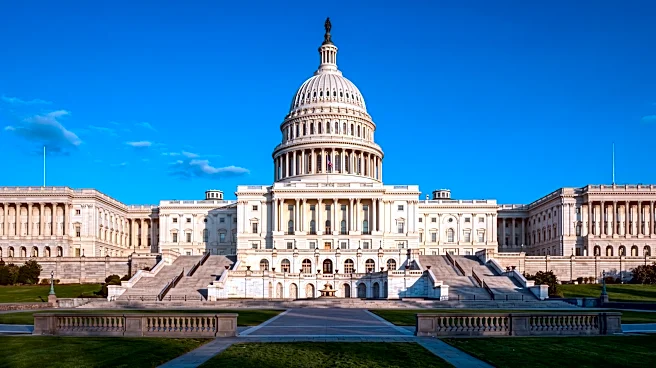
The House Judiciary Committee, led by Chairman Jim Jordan and Subcommittee Chairman Tom McClintock, initiated oversight into Fairfax County, Virginia's non-cooperation policies with Immigration and Customs Enforcement (ICE). This scrutiny began in January
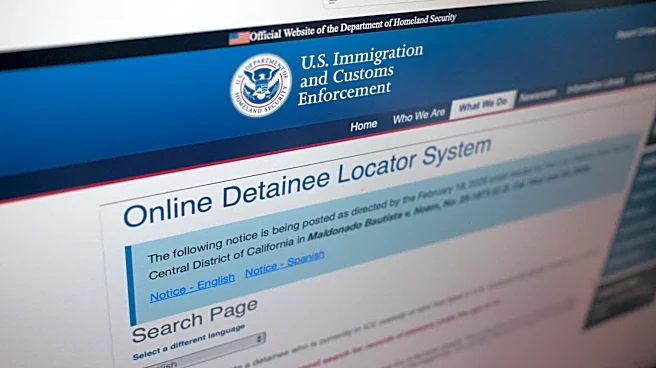
2026 with formal letters sent to Fairfax County Sheriff Stacey Kincaid and Commonwealth's Attorney Steve Descano. The congressional inquiry follows an incident where a Honduran national, Oscar Evaristo Nunez, facing child sex crime charges, was released by Fairfax County jail in August 2025 despite an ICE detainer. Nunez, identified by the Department of Homeland Security (DHS) as an undocumented immigrant, was subsequently re-arrested by ICE in September 2026. Fairfax County's policy, reaffirmed in July 2024, prohibits jail staff from holding inmates past their court-ordered release dates based solely on administrative civil ICE detainers, requiring a judicial order or criminal warrant for extended detention. This policy dates back to May 2018 when then-Sheriff Stacey A. Kincaid terminated the county's Intergovernmental Service Agreement with ICE.
Why It's Important?
This congressional scrutiny highlights a significant and ongoing conflict between federal immigration enforcement and local jurisdictions, particularly those with 'sanctuary' policies. The case of Oscar Evaristo Nunez underscores the practical implications of these policies, where local authorities' refusal to honor ICE detainers can lead to the release of individuals accused of serious crimes. This situation raises questions about public safety, the effectiveness of immigration enforcement, and the balance of power between federal and local governments. The involvement of high-ranking congressional officials like Chairman Jordan and Subcommittee Chairman McClintock indicates the issue's national political importance and its potential to influence broader immigration debates and policy reforms. The differing interpretations of Fourth and Fourteenth Amendment protections by Fairfax County and federal agencies also bring constitutional questions to the forefront, impacting how other jurisdictions might approach similar situations.
What's Next?
The House Judiciary Committee's oversight is likely to continue, potentially leading to further hearings, investigations, or legislative proposals aimed at addressing the non-cooperation policies of jurisdictions like Fairfax County. DHS has already called on Governor Abigail Spanberger and Fairfax County officials to cooperate with ICE detainers, suggesting continued pressure from federal agencies. The ongoing legal proceedings for Oscar Evaristo Nunez, who remains in ICE custody pending immigration proceedings, will also be closely watched. This case could serve as a precedent or a focal point for future discussions on immigration enforcement. Furthermore, the broader regional divide over immigration cooperation, as evidenced by similar policies in neighboring Alexandria, suggests that this issue will remain a contentious point in U.S. politics, potentially influencing state and local elections and policy decisions regarding immigration and law enforcement.
Beyond the Headlines
The conflict between federal immigration enforcement and local 'sanctuary' policies extends beyond individual cases, touching upon fundamental questions of federalism and civil liberties. Fairfax County's stance, rooted in concerns about Fourth and Fourteenth Amendment protections, reflects a broader movement among some local governments to limit their involvement in federal immigration matters. This creates a complex legal and ethical landscape where local authorities prioritize due process for all individuals, regardless of immigration status, while federal agencies emphasize national security and immigration law enforcement. The debate also highlights the challenges of managing an undocumented population within the U.S. and the varying approaches to integration and enforcement. The long-term implications could include shifts in federal immigration policy, increased legal challenges, and a continued divergence in how different jurisdictions handle immigration-related arrests and detentions, ultimately shaping the future of immigration governance in the United States.