


What's Happening?
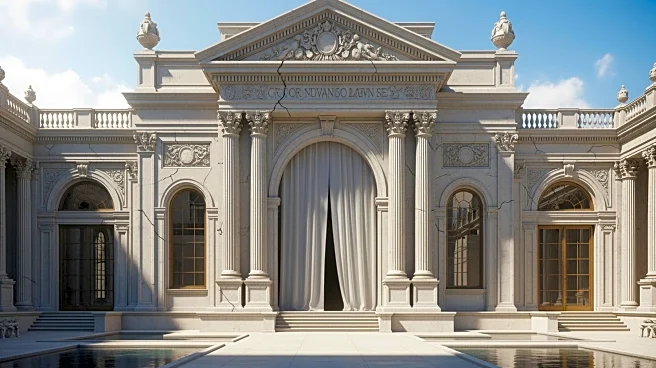
The mayor of Venice, Luigi Brugnaro, has announced that Russia's pavilion at the Venice Biennale will be closed if it engages in propaganda. This decision comes amid tensions over Russia's participation in the event, following its invasion of Ukraine.
The Biennale's president and Italy's culture minister have expressed differing views on Russia's involvement, with concerns about potential violations of sanctions. The Biennale aims to remain a platform for dialogue, despite the geopolitical challenges posed by Russia's presence.
Why It's Important?
The potential closure of Russia's pavilion highlights the intersection of art and politics, as cultural events become arenas for geopolitical tensions. The Biennale's stance reflects broader international efforts to hold Russia accountable for its actions in Ukraine. The situation underscores the challenges of balancing cultural diplomacy with political realities, as institutions navigate complex international relations. The outcome of this decision will have implications for cultural exchanges and the role of art in addressing global conflicts.
What's Next?
The Biennale will need to carefully monitor Russia's participation to ensure compliance with international sanctions and avoid propagandistic content. The international art community will be watching closely, as the Biennale's handling of the situation could set precedents for future cultural events. The broader implications for cultural diplomacy and international relations will continue to unfold, as stakeholders assess the impact of geopolitical tensions on artistic expression.