



What's Happening?
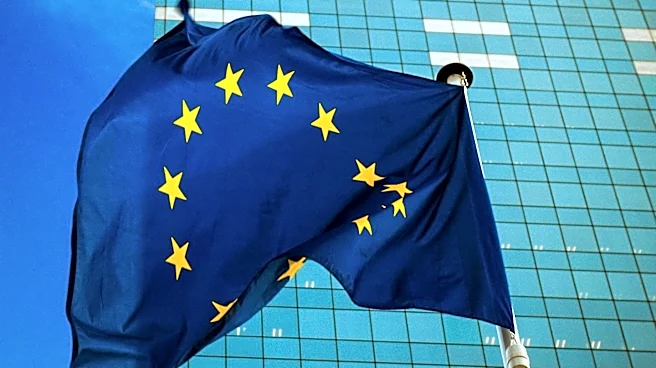
Syria’s Energy Ministry held discussions with representatives from the European Union and the European Investment Bank (EIB) regarding potential European investment and technical support for electricity, renewable energy, and water projects. The meeting
in Damascus included Deputy Minister of Energy for Planning and Institutional Excellence Ibrahim al-Adhan, Libor Chlad, Head of Cooperation at the EU Delegation to Syria, and Katica Hagerolhović of the EIB. The agenda focused on the ministry’s priorities and potential areas of cooperation, specifically covering electricity generation, transmission, and distribution, as well as solar and wind energy initiatives. Discussions also extended to drinking water supplies and wastewater services. The Syrian side explored opportunities to attract European companies to invest in these critical sectors and considered the development of a technical support strategy to align with Syria’s energy and water sector needs and development priorities. This meeting follows earlier talks in November between Energy Minister Mohammad al-Bashir and EU Ambassador to Syria Michael Ohnmacht, which addressed the state and challenges of Syria’s energy sector.
Why It's Important?
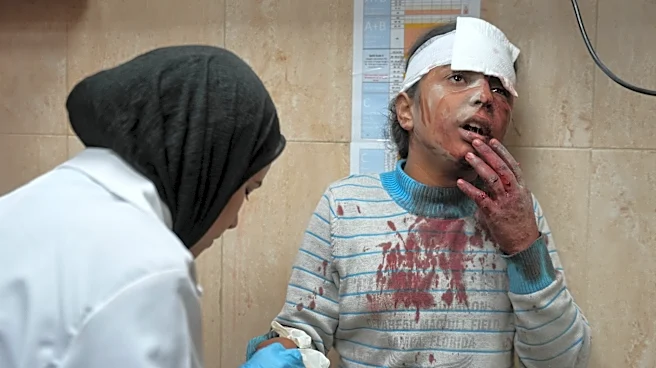
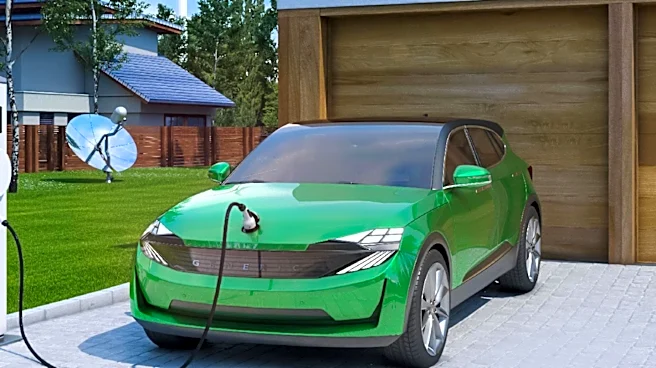
These discussions signify a potential opening for increased European engagement in Syria's critical infrastructure sectors, particularly energy and water, which have been severely impacted by years of conflict. Investment and technical support in these areas are vital for the country's recovery and for improving the living conditions of its population. Enhancing electricity generation and distribution, alongside developing renewable energy sources like solar and wind, could address chronic power shortages and contribute to a more sustainable energy future for Syria. Similarly, improvements in drinking water supplies and wastewater services are fundamental for public health and environmental protection. The involvement of the EIB, a major multilateral lender, suggests a serious consideration of financing mechanisms that could facilitate the entry of European companies. This engagement could also signal a broader shift in international relations concerning Syria, potentially paving the way for more extensive reconstruction efforts and economic cooperation.
What's Next?
The discussions are expected to lead to further detailed proposals and potential agreements on specific projects and technical cooperation frameworks. The Syrian Energy Ministry will likely continue to engage with the EU and EIB to outline concrete investment opportunities and technical assistance needs. The next steps could involve feasibility studies, project evaluations, and the formulation of investment packages designed to attract European companies. The development of a technical support strategy will be crucial for ensuring that any European assistance aligns with Syria's long-term development goals for its energy and water sectors. Future meetings will likely focus on the practical implementation of these initiatives, including the identification of specific projects, funding mechanisms, and timelines for execution. The success of these initial discussions could influence the scope and scale of future European involvement in Syria's reconstruction efforts.
Beyond the Headlines
The engagement between Syria and European partners on investment in energy and water sectors carries significant geopolitical implications. It suggests a potential shift in the approach to Syria's post-conflict recovery, moving beyond humanitarian aid to more substantial infrastructure development. This could be interpreted as a step towards normalizing economic relations, which might have broader political ramifications for the region. The focus on renewable energy also aligns with global efforts towards sustainable development and climate action, potentially integrating Syria into international environmental initiatives. However, any significant European investment would likely be contingent on various factors, including political stability, transparency, and adherence to international standards. The discussions also highlight the critical role of infrastructure in national recovery and the potential for economic cooperation to foster stability in post-conflict environments, even amidst complex political landscapes.