
What's Happening?
The median asking rent in the U.S. experienced its first annual increase in over three years in October, rising by $1 to $1,692, according to the latest Realtor.com monthly rental report. This modest increase is primarily
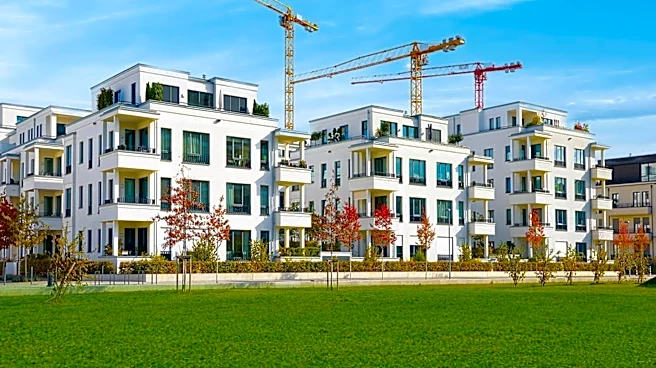
attributed to a significant nationwide slowdown in multifamily construction. The post-pandemic boom in multifamily building from 2021-2022 had previously flooded the market with new rental units, keeping prices in check. However, a broad cooling in construction activity is now easing that downward pressure on rents. In the third quarter of 2026, the multifamily pipeline shrank considerably, with starts down over 9% from a year ago and completions plunging 26%. This decline is driven by factors such as high interest rates, rising construction costs, and delays in project approvals and utility connections, leading to developer pessimism. The National Association of Home Builders' (NAHB) Multifamily Production Index (MPI) registered 41 out of 100, indicating that more builders view market conditions negatively.
Why It's Important?
This shift in rental market dynamics has significant implications for U.S. renters and the broader economy. The return of annual rent increases, even if modest, signals a potential end to a period of relative stability for renters and could lead to renewed affordability challenges. The slowdown in multifamily construction, driven by economic headwinds, means less new supply entering the market at a time when demand for rental housing remains strong, partly due to high mortgage rates keeping potential homebuyers in the rental pool. This imbalance could intensify competition for available units and push rents higher, particularly in regions like the Northeast, where completions saw the most dramatic pullback. The situation highlights the sensitivity of the housing market to economic conditions and the critical role of new construction in maintaining affordability.
What's Next?
Given the year-over-year decline in units under construction and persistent high construction costs, experts do not anticipate a rebound in multifamily deliveries over the next 12 months. The NAHB's 2027 forecast also predicts a further decline in multifamily starts. This suggests that the upward pressure on rents could continue, especially in metros where demand continues to grow. While a severe shortage or sharp increase in rents is not necessarily guaranteed, the trajectory will depend on the availability of existing inventory, local employment and household growth, and the pace of current construction. Regional divergences are expected, with some areas potentially experiencing more significant rent increases than others. Developers will continue to face challenges related to construction costs, financing terms, insurance, and operating expenses, which will influence the viability of new projects.
Beyond the Headlines
The current trend in the rental market underscores a deeper vulnerability in the U.S. housing system, where supply is highly susceptible to economic fluctuations. The reliance on new construction to moderate rent increases means that when development stalls, renters bear the brunt. This situation could exacerbate existing inequalities, as lower and middle-income households are often most affected by rising housing costs. It also raises questions about the long-term sustainability of housing policies that heavily depend on market-driven supply. The regional disparities in construction activity and rent trends suggest that localized solutions and targeted interventions may be necessary to address specific market needs. This development could prompt policymakers to explore alternative strategies for ensuring housing stability, such as direct investment in affordable housing or more robust regulatory frameworks to stabilize construction costs and financing.