





What's Happening?
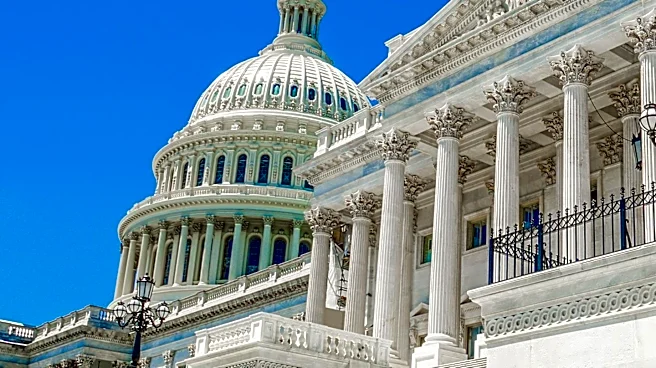
The Republican chairman of the House Oversight Committee, Representative James Comer, has threatened private equity investor Leon Black with contempt of Congress. This threat comes as the committee investigates Jeffrey Epstein and accuses Black of deliberately
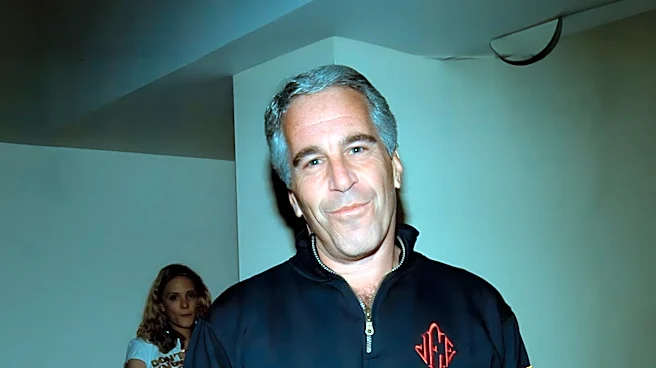
delaying and disrupting their inquiry. Black, co-founder of Apollo Asset Management, was a friend and client of Epstein, paying him approximately $170 million in fees between 2012 and 2017, even after Epstein pleaded guilty to prostitution charges involving a minor in 2008. The committee's investigation aims to examine the alleged mismanagement of the federal government's investigation into Epstein, the operation of sex-trafficking rings, and how Epstein and Ghislaine Maxwell sought to gain favor to protect their illegal activities. Black's appearance before the committee in June was cut short after he reportedly refused to answer questions about non-disclosure agreements (NDAs). Following this, Comer issued two subpoenas: one demanding all NDAs Black is party to and another requiring his deposition. The current dispute centers on the scope of the investigation and Black's willingness to provide only a limited number of NDAs.
Why It's Important?
This development is significant as it highlights the ongoing efforts by Congress to fully investigate the Jeffrey Epstein scandal and hold individuals accountable who may have facilitated or benefited from his activities. The potential contempt charges against Leon Black, a prominent figure in the financial industry, underscore the seriousness with which the House Oversight Committee is pursuing information. The committee's focus on non-disclosure agreements is crucial, as these documents could potentially reveal details about Epstein's network, his victims, and the extent to which powerful individuals may have been aware of or complicit in his crimes. The resistance from Black's legal team, arguing for a 'political witch hunt' and seeking to limit the scope of questioning, indicates the high stakes involved for those connected to Epstein. The outcome of this confrontation could set a precedent for how congressional investigations can compel cooperation from high-profile individuals in sensitive cases, impacting future oversight efforts into financial and social misconduct.
What's Next?
If Leon Black continues to refuse full cooperation, the House Oversight Committee is prepared to use all tools at its disposal, including contempt proceedings. Black's lawyer, Susan Estrich, has rejected Comer's assertions, claiming the letter misrepresents facts and that Black is being targeted in a 'political witch hunt.' The committee has demanded Black produce all responsive documents and appear for a scheduled deposition on September 3, 2026. Black's attorneys have sought to change the deposition subpoena to a voluntary transcribed interview, limit the scope of questions to only two NDAs, and delay the interview until early October. The committee, however, maintains that Black does not have the right to dictate the scope of its investigation. The next steps will likely involve a direct confrontation over these demands, potentially leading to a vote on contempt if Black does not comply with the subpoenas. This could result in legal battles and further public scrutiny of Black's past dealings with Epstein.
Beyond the Headlines
The clash between the House Oversight Committee and Leon Black extends beyond the immediate investigation into Jeffrey Epstein, touching upon broader issues of accountability for the ultra-wealthy and the power of non-disclosure agreements. The committee's insistence on obtaining all relevant NDAs, even those signed after Epstein's death, suggests a focus on understanding the full scope of potential victim silencing or protection of associates. This case could highlight the ethical implications of financial relationships with individuals accused of heinous crimes and the responsibility of powerful figures to cooperate with government inquiries. The legal battle over the scope of congressional oversight and the limits of privacy for individuals connected to such scandals could have long-term implications for how similar investigations are conducted in the future. It also raises questions about the transparency of financial dealings and the potential for NDAs to obscure information vital to public interest and justice.