




What's Happening?
Iowa State University (ISU) is requesting $2 million in state funding for an AI-Ready Workforce and Innovation Initiative as part of its fiscal year 2028 state appropriations request. This initiative aims to leverage the university's strengths in agriculture,
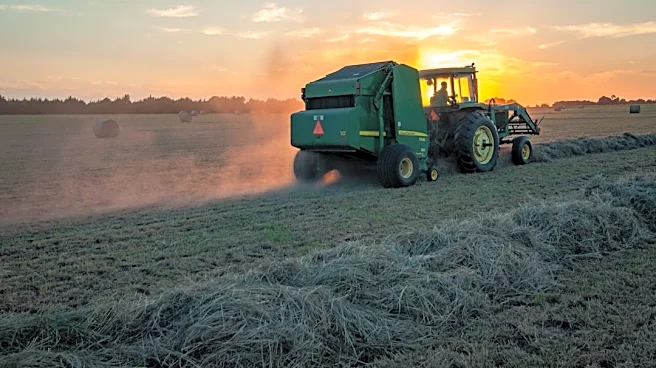
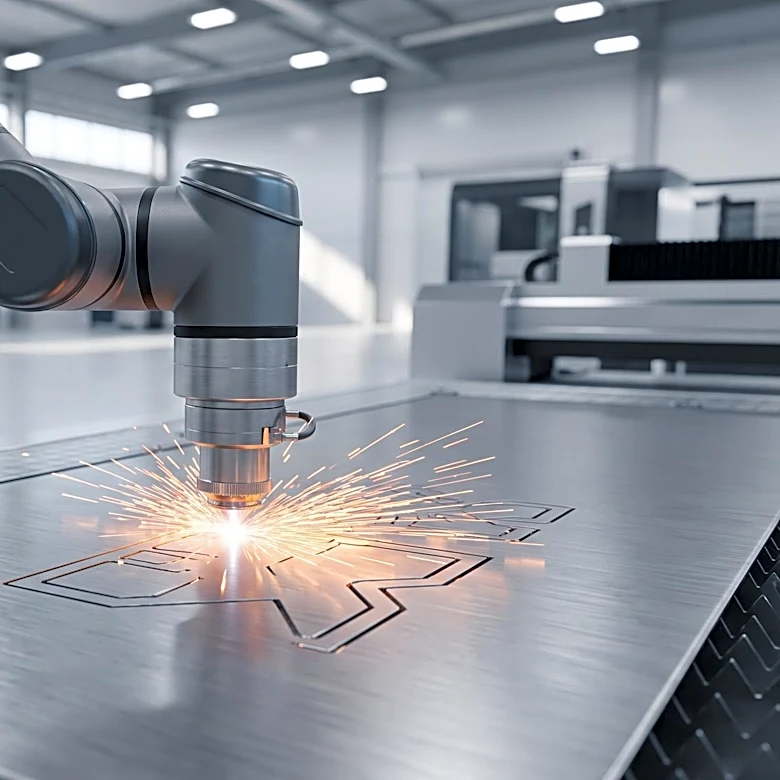
engineering, biotechnology, advanced manufacturing, robotics, and artificial intelligence. The funding would support efforts to prepare students across various disciplines to utilize AI, address workforce needs in engineering and advanced manufacturing, and expand robotics and precision agriculture in rural communities. Additionally, it seeks to strengthen cybersecurity and agricultural resilience, and advance biotechnology and biomanufacturing. ISU is also requesting a separate $2 million increase in its general education appropriation for fiscal year 2028 to help address rising costs for utilities, energy, and contracted services, which support the university’s core operations, including instruction and academic support. The appropriations request will now proceed to the Iowa Legislature for consideration.
Why It's Important?
This funding request is crucial for Iowa's economic future and workforce development, particularly in sectors vital to the state. By investing in an AI-Ready Workforce and Innovation Initiative, Iowa State University aims to equip its students with the skills necessary to meet the growing demands of industries increasingly reliant on artificial intelligence and advanced technologies. This initiative directly addresses critical workforce needs in engineering and advanced manufacturing, which are key drivers of economic growth. Furthermore, the expansion of robotics and precision agriculture in rural communities could significantly enhance productivity and sustainability in Iowa's dominant agricultural sector. Strengthening cybersecurity and agricultural resilience is also vital for protecting critical infrastructure and ensuring food security. The focus on biotechnology and biomanufacturing positions Iowa to be a leader in emerging high-tech industries, fostering innovation and creating high-value jobs within the state. The additional general education funding is essential for maintaining the university's operational capacity and ensuring the quality of its core academic programs amidst rising operational costs.
What's Next?
The appropriations request, including the $2 million for the AI-Ready Workforce and Innovation Initiative and the separate $2 million increase for general education, will now be reviewed by the Iowa Legislature. Lawmakers will deliberate on the proposed funding, considering its potential impact on the state's economy, workforce, and educational landscape. If approved, the funding would be allocated for fiscal year 2028, allowing Iowa State University to implement its planned initiatives. The university will likely begin developing specific programs and curricula to integrate AI across disciplines and enhance its research capabilities in the targeted areas. Stakeholders, including businesses in agriculture, manufacturing, and technology, will be closely watching the legislative process, as the outcome will directly influence the availability of a skilled workforce and the pace of technological advancement in Iowa.
Beyond the Headlines
This initiative reflects a broader national trend of universities and states recognizing the transformative potential of artificial intelligence and the urgent need to prepare a workforce capable of navigating an AI-driven economy. Beyond immediate economic benefits, this investment could foster a culture of innovation and technological literacy throughout Iowa. By integrating AI across various disciplines, ISU is not just training specialists but also cultivating a generation of professionals who can apply AI solutions to complex problems in diverse fields, from agriculture to healthcare. This proactive approach could mitigate potential job displacement due to automation by reskilling and upskilling the workforce, ensuring Iowa remains competitive. The emphasis on rural communities through precision agriculture and robotics also highlights an effort to bridge the technological divide and ensure that the benefits of AI are distributed equitably across the state, preventing a concentration of opportunities solely in urban centers. This strategic investment could position Iowa as a leader in AI integration within traditional industries.