

What's Happening?
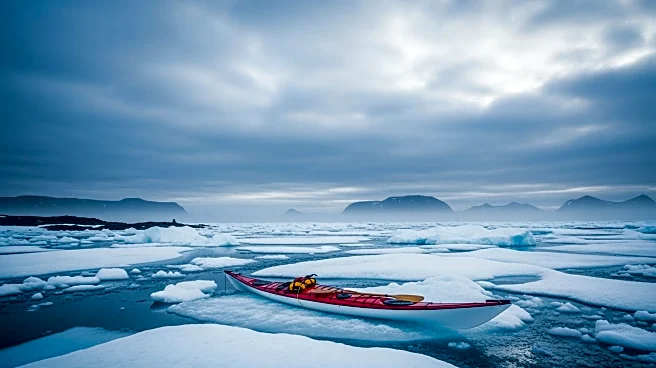
The Inuit population of Greenland, comprising nearly 90% of the island's 57,000 residents, is largely overlooked in the ongoing geopolitical discussions between the US, Denmark, and European leaders regarding the future of Greenland. Historically, the Inuit have
fought for self-determination, a struggle that dates back to World War II when the US established military bases on the island. The Cold War further complicated matters with forced relocations of Inuit families. Despite these challenges, the Inuit have maintained their cultural practices and continue to advocate for greater autonomy. Recent discussions about US interest in acquiring Greenland have reignited concerns about the Inuit's role and voice in determining the island's future.
Why It's Important?
The Inuit's quest for self-determination is a critical aspect of Greenland's political landscape, highlighting the broader issues of indigenous rights and autonomy. As the US and Denmark engage in discussions about Greenland's strategic importance, the Inuit's historical and cultural ties to the land underscore the need for their inclusion in any decision-making processes. The situation raises questions about the balance between national interests and indigenous rights, with potential implications for international human rights standards and the preservation of cultural heritage.
What's Next?
The Inuit's push for self-determination is likely to continue, with potential for increased advocacy and international support. As geopolitical tensions over Greenland persist, the Inuit may seek to assert their rights through legal and diplomatic channels. The outcome of these efforts could influence future governance structures in Greenland, potentially leading to greater autonomy or even independence. The international community's response to the Inuit's plight will be crucial in shaping the island's political future.