







What's Happening?
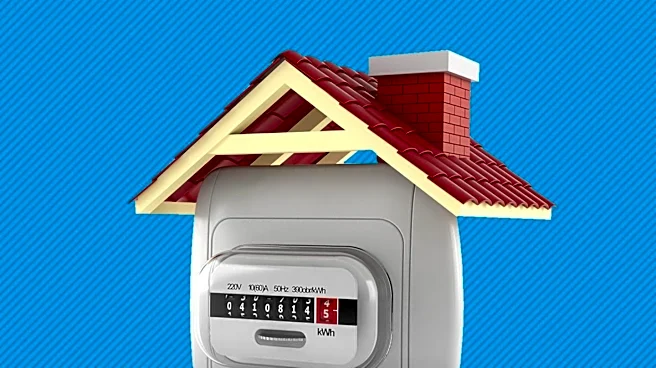
The Colorado Public Utilities Commission has approved a rate increase for Xcel Energy, which will result in higher monthly electricity bills for customers. Residential customers are projected to see an average increase of approximately $5 per month, while
commercial customers will experience an increase of about $7 monthly. This rate hike is scheduled to take effect at the end of December this year. The approved increase is significantly less than Xcel Energy's initial request for a $356 million revenue increase, which was later reduced to just over $150 million following feedback from regulators and public opposition. Despite the approval, some commissioners expressed concerns regarding the long-term affordability of electricity, noting Xcel's substantial increase in capital spending from $1.6 billion in 2021 to a proposed $6 billion in 2026.
Why It's Important?
This rate increase by Xcel Energy in Colorado has direct financial implications for thousands of households and businesses, impacting their monthly budgets. The decision highlights the ongoing tension between utility companies' need to recover investments in infrastructure and clean energy initiatives, and the public's concern over rising costs of living. The commission's approval, even at a reduced amount, signals a recognition of the utility's operational expenses and investments in grid improvements, such as replacing wood poles, installing new transformers, and integrating new generation capacity. However, the expressed concerns from commissioners about long-term affordability underscore a broader challenge in the U.S. energy sector: balancing the transition to cleaner energy and grid modernization with ensuring electricity remains accessible and affordable for all consumers, particularly as capital spending continues to outpace inflation.
What's Next?
Starting in late December, Xcel Energy customers in Colorado will observe the approved rate increases on their monthly electricity bills. Xcel Energy has indicated disappointment that the commission did not fully approve a settlement agreement reached with various stakeholders, suggesting they will need to re-evaluate their investment approach in Colorado. This implies potential future discussions or proposals regarding infrastructure investments and rate adjustments. The ongoing debate about the long-term affordability of electricity is likely to continue, with regulators and consumer advocacy groups closely monitoring Xcel's capital spending and its impact on customer rates. This situation could also prompt further public engagement and regulatory scrutiny into how utilities balance necessary infrastructure upgrades with consumer financial burdens, potentially leading to new policy considerations for rate-setting mechanisms.
Beyond the Headlines
The Xcel Energy rate increase in Colorado reflects a complex interplay of factors shaping the modern energy landscape. Beyond the immediate financial impact, it highlights the significant costs associated with modernizing aging infrastructure, enhancing grid resilience against increasingly severe weather events, and integrating cleaner energy sources to meet state policy demands. The utility's argument of 'share of wallet,' claiming residents spend less than 1% of household income on electricity, points to a broader societal discussion about what constitutes 'affordable' energy and how that metric should be defined and regulated. This situation could also catalyze greater public demand for transparency in utility spending and potentially foster innovative solutions for energy efficiency and demand-side management to mitigate future rate increases, pushing for a more sustainable and equitable energy future.