
What's Happening?
Cancel culture, defined as the practice of mass canceling to express disapproval, poses significant challenges for journalists. The phenomenon, which has gained momentum in the digital age, often results
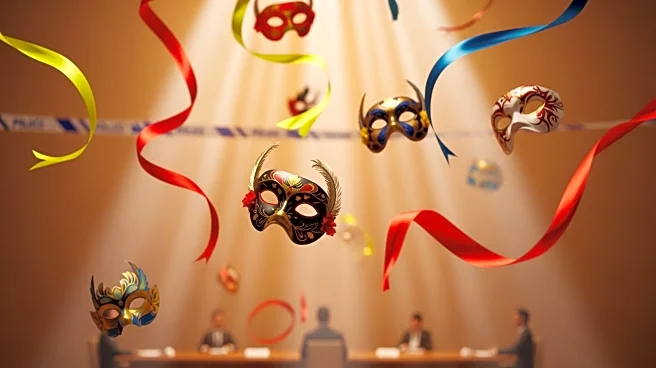
in the complete shutdown of individuals or organizations without offering a chance for improvement. Journalists, particularly those in opinion roles, are vulnerable to being canceled due to guilt by association or unpopular viewpoints. An example cited is the backlash against The Washington Post, where journalists faced consequences due to the actions of its owner, Jeff Bezos, despite having no control over his political endorsements. This led to a significant drop in subscriptions and impacted journalists' salaries. The culture of canceling can punish those not directly involved in controversies, discouraging independent journalism and fostering fear among reporters.
Why It's Important?
The rise of cancel culture has profound implications for journalistic freedom and the diversity of viewpoints in media. By silencing journalists through public shaming and mass unfollowing, cancel culture threatens the core principles of discourse and debate that journalism is built upon. This environment discourages journalists from expressing opinions or reporting on controversial topics, fearing backlash and job loss. The broader impact is a media landscape where diverse perspectives are stifled, and public discourse is narrowed. While cancel culture can highlight injustices, it often acts as a divisive force, punishing individuals for differing beliefs and undermining the role of journalism in society.
What's Next?
To mitigate the negative effects of cancel culture on journalism, fostering media literacy among the public is crucial. Educating consumers about the nature of opinion articles and the importance of diverse perspectives can prevent snap judgments and promote understanding. Shifting the focus from mass cancellation to individual accountability can protect journalists and encourage constructive feedback. By promoting awareness of the harms of cancel culture, society can move towards a more inclusive and open media environment where journalists can report and express opinions without fear of being silenced.