
What's Happening?
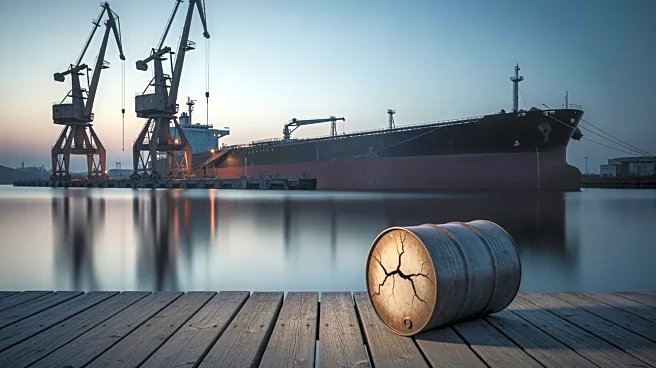
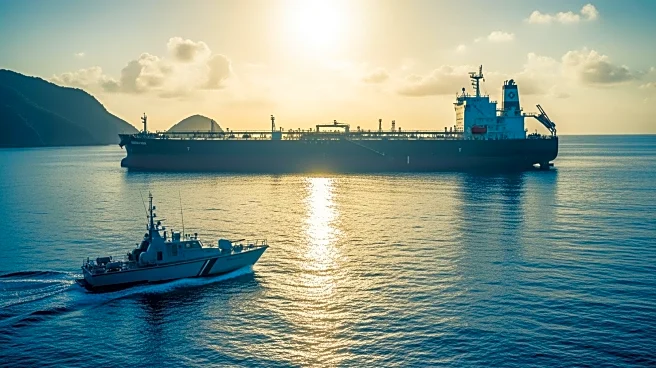
U.S. forces have intercepted and seized the oil tanker Olina in the Caribbean Sea, marking the fifth such operation targeting vessels linked to Venezuela. This action is part of the Trump administration's
strategy to control the distribution of Venezuelan oil following the ouster of President Nicolás Maduro. The pre-dawn raid was executed by Marines and Navy sailors from the aircraft carrier USS Gerald R. Ford. The Olina, suspected of carrying embargoed oil, had departed Venezuela in an attempt to evade U.S. forces. The U.S. Southern Command emphasized that there is 'no safe haven for criminals,' underscoring the ongoing pressure on Venezuela's oil operations. The seized oil is intended to be sold to fund rebuilding efforts in Venezuela and support U.S. objectives.
Why It's Important?
The seizure of the Olina highlights the Trump administration's aggressive stance on Venezuela's oil industry, aiming to exert control over its production and distribution. This move is significant as it reflects broader geopolitical tensions and the U.S.'s efforts to influence the economic landscape in Venezuela. By intercepting these tankers, the U.S. seeks to disrupt the flow of Venezuelan oil, which is crucial for the country's economy. The operation also signals to other nations and entities involved in Venezuelan oil trade that the U.S. is committed to enforcing sanctions. The potential sale of the seized oil could provide financial resources for both U.S. interests and Venezuelan rebuilding efforts, impacting stakeholders in the oil industry and international relations.
What's Next?
The U.S. plans to continue its operations against sanctioned Venezuelan oil tankers, with the intention of selling the confiscated oil to fund further initiatives. The administration has expressed a goal of investing $100 billion in Venezuela to modernize its oil infrastructure. This ongoing strategy may provoke reactions from international stakeholders, including countries and companies involved in Venezuelan oil trade. The situation could lead to diplomatic discussions or tensions, as the U.S. seeks to maintain its influence over Venezuela's economic resources. The outcome of these efforts will likely affect global oil markets and international relations, particularly with countries that have vested interests in Venezuela's oil industry.