





What's Happening?
The phenomenon known as 'corn sweat' is significantly contributing to the intense humidity experienced in the Midwest during summer. This process, scientifically referred to as evapotranspiration, involves corn plants absorbing water from the soil and
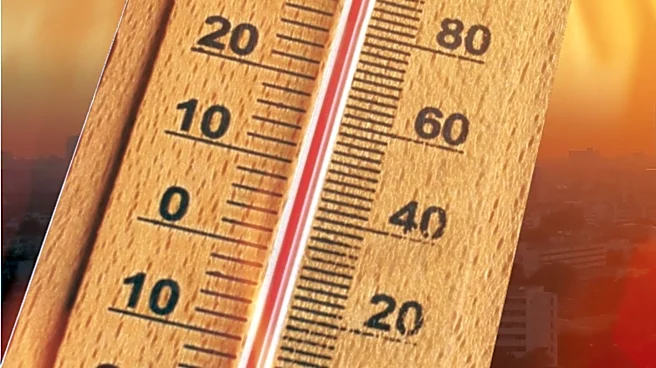
releasing it into the atmosphere through their leaves. A single acre of corn can release up to 5,000 gallons of water daily, which increases humidity and dew points, making hot days feel even more uncomfortable. This natural process is essential for plant health, as it helps cool the plants, but it also exacerbates the discomfort of summer heat waves. The combination of high temperatures, prolonged heat, and increased humidity can make summer conditions feel relentless.
Why It's Important?
Understanding the impact of corn sweat is crucial for residents and agricultural stakeholders in the Midwest. The increased humidity can affect daily life, making outdoor activities more challenging and potentially impacting health, especially during heat waves. For farmers, while evapotranspiration is vital for crop health, it also highlights the need for strategies to manage the effects of increased humidity on both agriculture and human comfort. This knowledge can inform public health advisories and agricultural practices, ensuring better preparedness for extreme weather conditions.