






What's Happening?
Boaz Dvir's new documentary, 'To Kill a Nazi,' sheds light on the largely overlooked story of Michel Cojot, a French Jewish Holocaust survivor and Nazi hunter who played a crucial role in the 1976 Entebbe hostage crisis. Cojot, who was a hostage on the hijacked
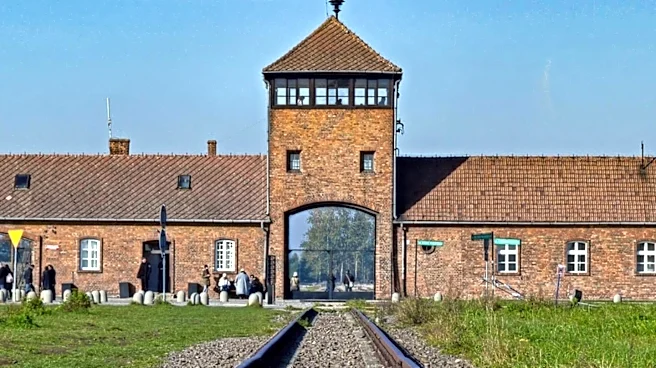
Air France flight, acted as a translator and intermediary between the hijackers and passengers. He is credited with persuading the lead hijacker, Wilfried Böse, to release non-Israeli hostages. Following his release, Cojot provided vital intelligence to Mossad, including details about the layout of where the hostages were held, which significantly aided the Israeli rescue mission, Operation Thunderbolt. The film also recounts Cojot's earlier attempt to find and kill Klaus Barbie, the 'Butcher of Lyon,' who signed his father's arrest papers for Auschwitz. Cojot ultimately decided against murder, believing Barbie deserved to live in fear.
Why It's Important?
This documentary is important because it rectifies a historical oversight, bringing recognition to a significant figure whose contributions to the Entebbe rescue have largely been omitted from popular narratives and films. By highlighting Cojot's actions, 'To Kill a Nazi' enriches the understanding of a pivotal moment in counter-terrorism history and showcases the extraordinary courage of an ordinary individual. The film also explores the complex moral dilemmas faced by Holocaust survivors, such as Cojot's decision not to seek revenge on Barbie, offering a nuanced perspective on justice and retribution. The timing of the film's release, coinciding with contemporary discussions around hostage situations and terrorism, underscores the enduring relevance of these themes and the importance of individual heroism in crisis situations.
What's Next?
After premiering at the Dances With Films festival in June and screening at several international and Jewish film festivals, 'To Kill a Nazi' is scheduled for further screenings at the Austin Film Festival and the Boulder Jewish Film Festival on October 29, the UK Jewish Film Festival on November 8, the Hong Kong Jewish Film Festival on November 11, and the Harrisburg Jewish Film Festival on November 12. Director Boaz Dvir hopes the film will eventually be picked up by a streaming service, which would significantly broaden its reach and ensure Cojot's story is widely known. The film's continued festival circuit and potential streaming release will contribute to a more complete historical record of the Entebbe crisis and foster discussions about heroism, trauma, and justice.
Beyond the Headlines
Beyond the immediate narrative of the Entebbe crisis, 'To Kill a Nazi' delves into the long-term psychological and ethical implications of surviving extreme violence and seeking justice. Cojot's journey from Holocaust survivor to Nazi hunter and then to a pivotal figure in a modern hostage crisis illustrates the enduring impact of historical trauma on individual lives and the varied ways people respond to injustice. His decision to spare Barbie, opting for a life of fear rather than murder, raises profound questions about the nature of justice and the cycle of violence. The film also implicitly critiques how historical narratives are constructed and sometimes omit crucial contributions, urging a more thorough and inclusive approach to recounting significant events. This deeper exploration can inform contemporary debates on historical memory, reconciliation, and the role of individuals in shaping collective history.