






What's Happening?
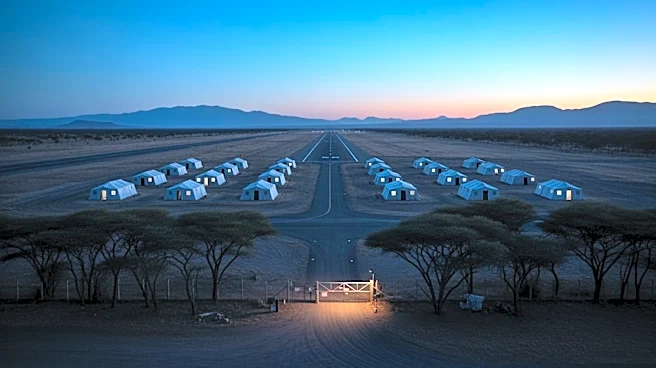
The Trump administration's plan to send American citizens exposed to Ebola to Kenya has sparked significant protests and legal challenges. The outbreak, originating in the Democratic Republic of Congo, has spread to Uganda, but Kenya remains free of confirmed
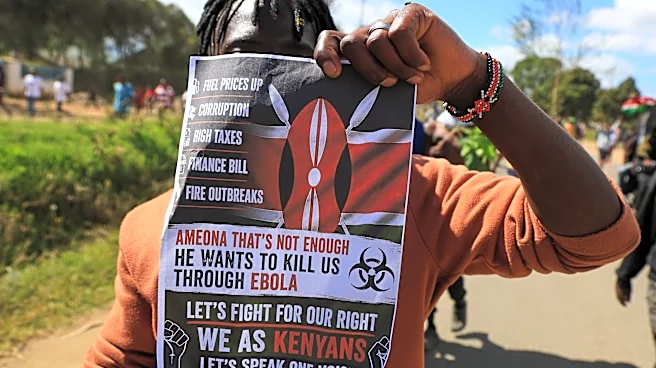
cases. The U.S. proposed establishing a 50-bed quarantine facility at Laikipia Air Base in Kenya, which led to public outcry and protests in Kenya, resulting in two fatalities. A Kenyan court has temporarily halted the plan, demanding more details from the government about the agreement with the U.S., including financial arrangements and protective measures for Kenyans. The plan is currently on hold until at least June 23, pending further legal review.
Why It's Important?
This development highlights the complexities and sensitivities involved in international public health responses, especially when involving infectious diseases like Ebola. The U.S. decision to quarantine its citizens abroad rather than repatriate them marks a significant shift from previous practices, raising questions about the responsibilities of nations to their citizens and the ethical implications of such decisions. The protests in Kenya underscore the local population's concerns about potential health risks and the perceived imposition of foreign policies. This situation could strain U.S.-Kenya relations and impact future international health collaborations.
What's Next?
The Kenyan court's decision to extend the suspension of the quarantine plan suggests ongoing legal and diplomatic negotiations. The Trump administration may need to reassess its strategy, potentially seeking alternative locations or revising its approach to address Kenyan concerns. The outcome of this situation could influence how future international health crises are managed, particularly regarding the balance between national interests and global health responsibilities.