






What's Happening?
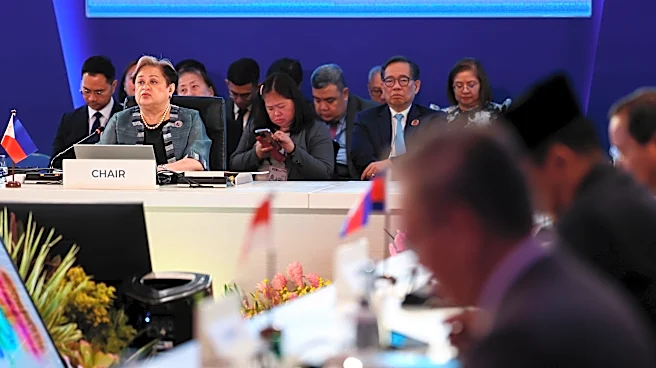
Southeast Asian leaders, during the 48th ASEAN Summit in Cebu, Philippines, have adopted a contingency plan to address the repercussions of the ongoing war in Iran. The plan includes measures such as establishing a regional fuel reserve, planning a regional power
grid, and diversifying crude oil sources. The Philippines, significantly affected by fuel price spikes, hosted the summit with a focus on economic resilience. The leaders also discussed promoting electric vehicles and exploring new technologies like civilian nuclear energy. Despite the urgency, implementing these measures poses challenges, particularly the establishment of a regional fuel stockpile and power grid.
Why It's Important?
The ASEAN leaders' response to the Middle East conflict highlights the interconnectedness of global economies and the vulnerabilities of Southeast Asian nations to external shocks. The contingency plan aims to enhance regional energy security and reduce dependency on volatile oil markets. This initiative is crucial for maintaining economic stability in the region, which is home to millions of citizens working abroad, particularly in the Middle East. The plan's success could serve as a model for other regions facing similar challenges, emphasizing the importance of regional cooperation in crisis management.
What's Next?
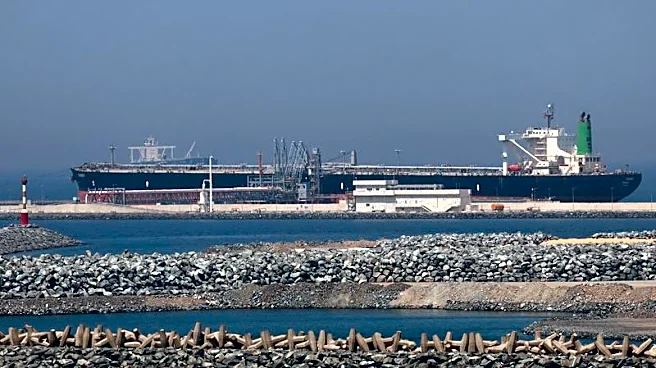
The ASEAN leaders are expected to begin implementing the contingency measures immediately, although the complexity of establishing a regional fuel reserve and power grid may delay full execution. The ongoing conflict in the Middle East, particularly in the Strait of Hormuz, remains a significant concern, with potential implications for global energy markets. ASEAN's focus will likely remain on ensuring the safety of its citizens abroad and mitigating economic disruptions. The leaders may also continue to engage with international organizations to strengthen their crisis response capabilities and explore further regional integration opportunities.