



What's Happening?
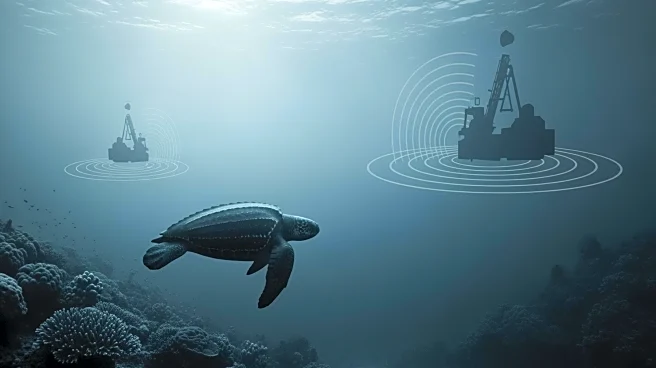
A new study has found that leatherback sea turtles are adversely affected by loud noises associated with offshore wind development. The research, led by Samir Patel, involved tagging turtles with suction-cup devices to monitor their reactions to simulated
construction noise. The findings indicate that turtles tend to avoid noisy areas and may reduce their foraging activities during exposure. This study is among the first to observe wild leatherback turtle behavior in response to human-made noise, highlighting potential impacts on their natural habits and habitats.
Why It's Important?
The study's findings are crucial for understanding the environmental impact of offshore wind projects on marine life, particularly endangered species like the leatherback turtle. As offshore wind energy development expands, it is essential to consider the ecological consequences and implement measures to mitigate negative effects on wildlife. The research underscores the need for comprehensive environmental assessments and regulations to protect vulnerable species from the unintended consequences of renewable energy initiatives. This study may inform future policy decisions and conservation efforts aimed at balancing energy development with biodiversity preservation.
What's Next?
Further research is needed to explore the long-term effects of noise pollution on leatherback turtles and other marine species. Policymakers and environmental organizations may use these findings to advocate for stricter regulations and protective measures in offshore wind development. Collaboration between scientists, industry stakeholders, and conservationists will be vital in developing strategies that minimize ecological disruption while advancing renewable energy goals. Public awareness campaigns may also play a role in promoting sustainable practices and supporting conservation efforts.