




What's Happening?
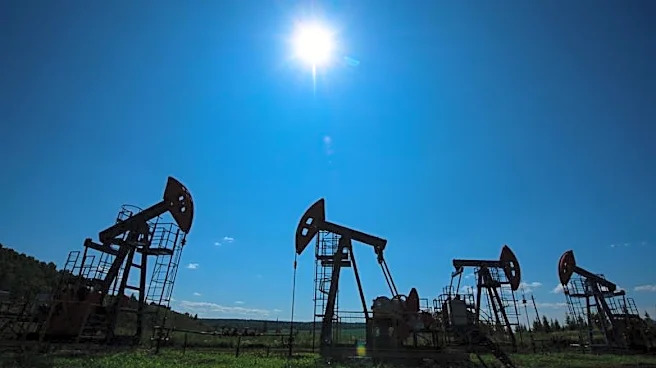
Saudi Aramco, the world's largest oil exporter, reported a 44% increase in net profits for the second quarter of 2026, amounting to 122.6 billion Saudi riyals ($42 billion). This surge in profits is attributed to the rise in oil prices caused by the ongoing
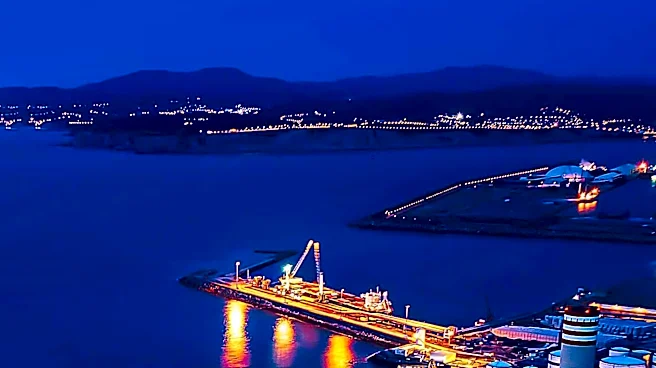
Middle East conflict. Despite challenges such as Iran's blockade of the Strait of Hormuz and attacks on Saudi ships, Aramco maintained operations through its diverse asset base, including the East-West Pipeline and storage facilities. The company continues to be a key player in the Saudi economy, even as the government pursues economic diversification under Crown Prince Mohammed bin Salman's Vision 2030.
Why It's Important?
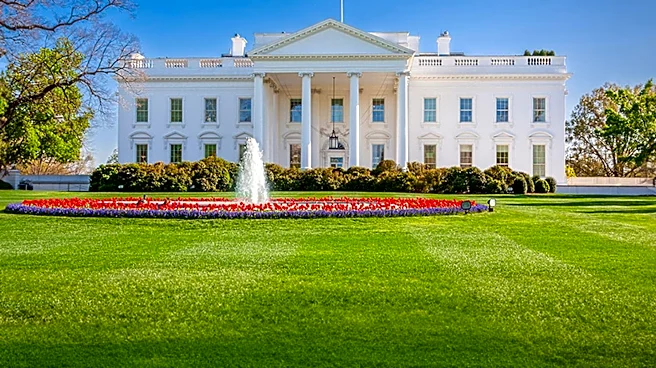
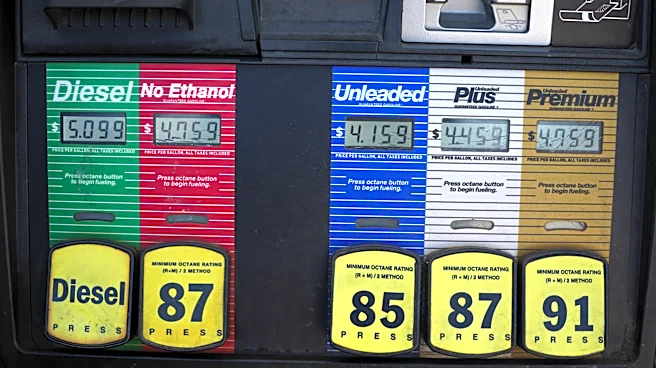
Aramco's significant profit increase highlights the impact of geopolitical tensions on global energy markets. The rise in oil prices benefits major oil producers like Saudi Arabia, but it also poses challenges for energy-importing countries, including the U.S., by contributing to higher fuel costs. President Trump's criticism of oil companies for profiting during the crisis underscores the political sensitivity of energy prices, especially ahead of U.S. elections. Aramco's performance also reflects the resilience of Saudi Arabia's oil sector, which remains a cornerstone of its economy despite diversification efforts.
What's Next?
As the Middle East conflict continues, oil prices are expected to remain volatile, influencing Aramco's future earnings. The company's ability to navigate geopolitical challenges will be crucial for maintaining its market position. Meanwhile, Saudi Arabia's efforts to diversify its economy will likely intensify, with potential implications for global energy markets and international relations. The U.S. and other countries will closely monitor developments in the region, as they could affect energy security and economic stability.