




What's Happening?
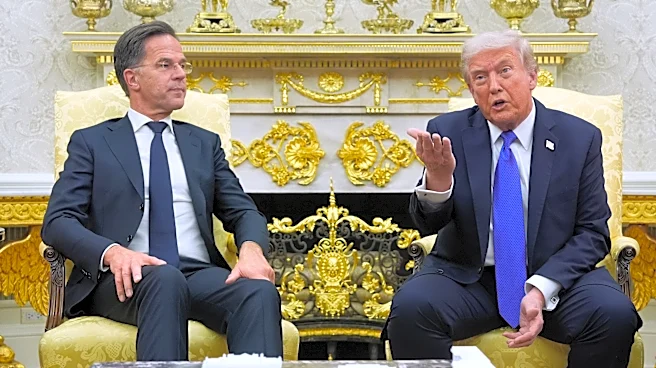
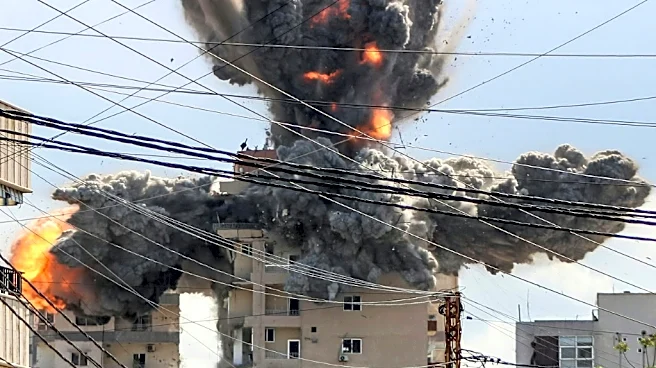
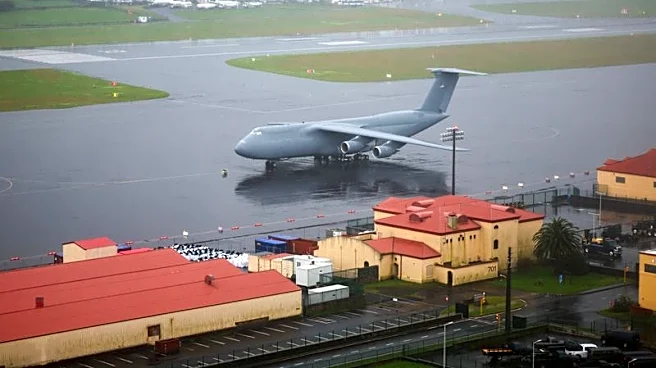
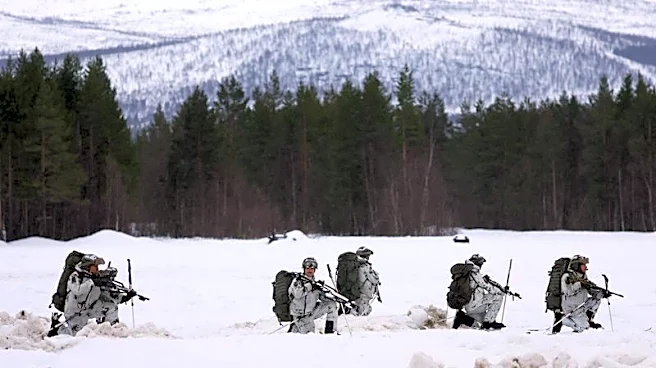
The Trump administration is contemplating relocating U.S. troops from certain NATO countries deemed insufficiently supportive during the conflict with Iran. This proposal, still in early stages, aims to pressure NATO allies by moving troops to countries that
have shown stronger support for the U.S. military campaign. While this plan stops short of a full NATO withdrawal, it highlights growing tensions within the alliance. The discussions come amid President Trump's criticism of NATO allies for not backing the U.S. in the Iran war, with specific grievances against countries like France and Spain for restricting U.S. military access.
Why It's Important?
This potential troop relocation underscores a significant shift in U.S. foreign policy and military strategy, potentially altering the balance of power within NATO. It reflects President Trump's ongoing dissatisfaction with NATO's support and could lead to a reevaluation of U.S. commitments to the alliance. The move could strain diplomatic relations with European allies and impact global security dynamics, particularly in regions reliant on U.S. military presence for stability.
What's Next?
Further discussions are expected between U.S. and NATO officials, with potential troop movements contingent on diplomatic negotiations. The outcome could influence future U.S. military strategy and NATO's role in global security. Allies may respond with diplomatic efforts to address U.S. concerns, while the Trump administration evaluates the strategic benefits of troop realignment. The situation remains fluid, with potential implications for U.S.-European relations and global military alliances.