







What's Happening?
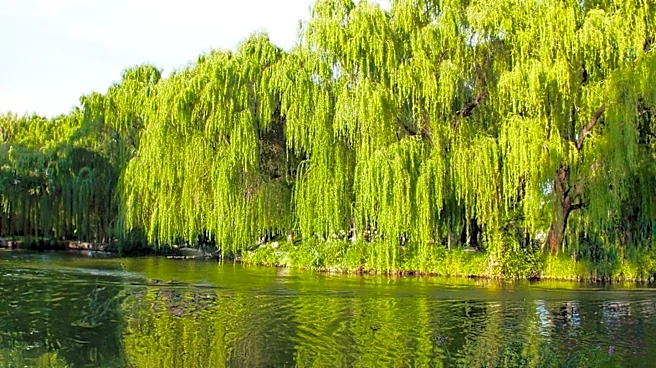
In the Boston Public Garden, several trees have been removed after a willow tree, which had been a part of the landscape for decades, snapped and fell into the pond. This incident prompted the removal of additional trees to prevent further accidents and ensure
the safety of visitors. The Boston Public Garden, known for its historic and scenic beauty, is a popular destination for both locals and tourists. The fallen willow tree was a significant part of the garden's ecosystem and aesthetic, contributing to the lush environment that attracts many visitors each year.
Why It's Important?
The removal of these trees highlights the ongoing challenges faced by urban parks in maintaining safety while preserving natural beauty. Trees in public spaces are subject to various environmental stresses, including weather conditions and age, which can lead to unexpected incidents like the one in Boston. This event underscores the importance of regular maintenance and assessment of urban greenery to prevent potential hazards. The loss of mature trees can also impact the local ecosystem, affecting wildlife habitats and the overall environmental quality of the area. For the community, such changes can alter the character and appeal of beloved public spaces.
What's Next?
Following the removal of the trees, the Boston Public Garden may undertake a review of its current tree management practices to prevent similar incidents in the future. This could involve increased monitoring of tree health and stability, as well as strategic planting of new trees to replace those lost. The city might also engage with arborists and environmental experts to develop a long-term plan for maintaining the garden's landscape. Public feedback and involvement could play a role in shaping these efforts, ensuring that the garden continues to serve as a safe and enjoyable space for all visitors.