





What's Happening?
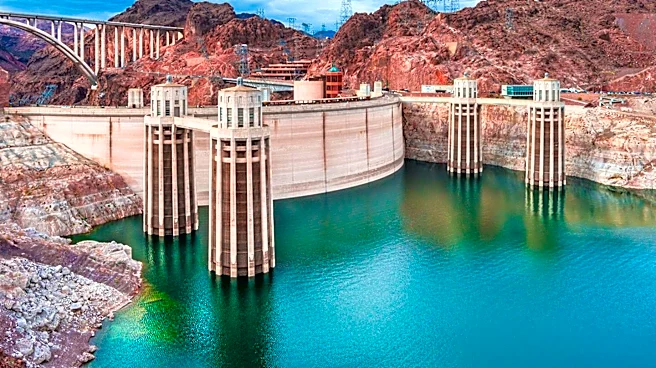
Human remains have been discovered once more at Lake Mead, near Las Vegas, Nevada, as water levels in the critical reservoir continue to drop. This latest finding, reported on August 16, follows several other discoveries of bodies as the lake's water levels have receded
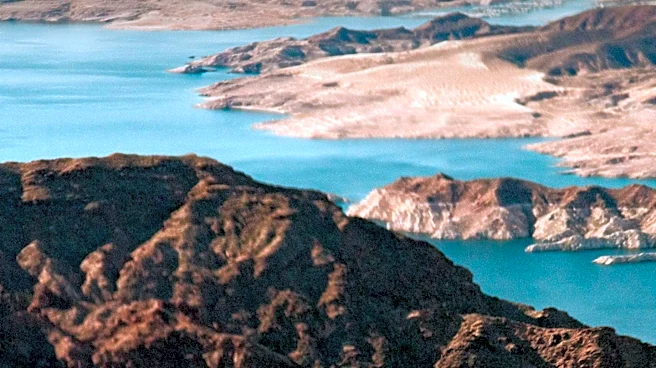
in recent years. Authorities stated that there appeared to be nothing suspicious about the body, and local police are investigating the death as non-criminal. The local coroner's office is working to identify the deceased and determine the cause and manner of death. Lake Mead's water level recently dipped to 1,040.4 feet above sea level, nearing its record low from July 28, 2022. The reservoir is a vital component of the Colorado River system, supplying water to approximately 40 million people across seven states, tribal nations, and Mexico. The Colorado River basin is currently experiencing severe conditions due to a combination of extended drought, extreme heat, reduced snowmelt, and over-consumption. Jack Schmidt, director of Utah State University’s Center for Colorado River Studies, attributes the declining runoff primarily to a warming climate.
Why It's Important?
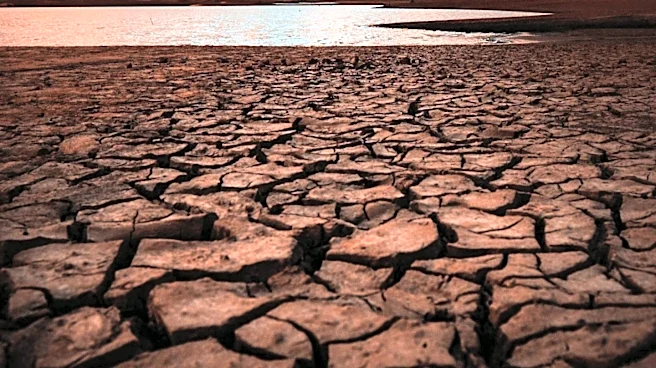
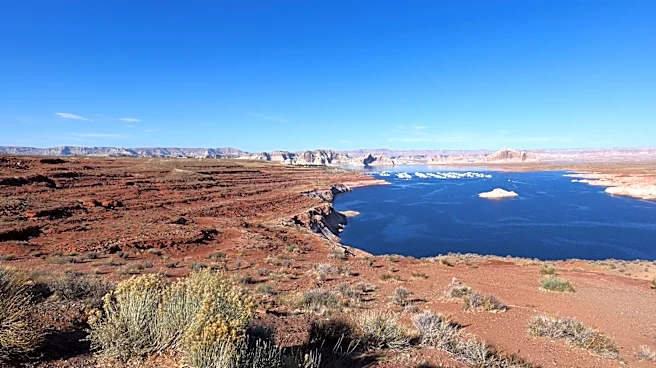
The repeated discovery of human remains at Lake Mead underscores the severe and ongoing water crisis in the U.S. West, highlighting the dramatic impact of climate change on critical water resources. Lake Mead and Lake Powell, both experiencing historic low levels, are essential for water storage and supply to a vast population and agricultural areas across multiple states. The dwindling water supply threatens not only drinking water for millions but also hydroelectric power generation, which relies on sufficient water levels to operate. The crisis could lead to significant economic repercussions, including increased water costs, restrictions on water usage for agriculture and industry, and potential conflicts over water rights among states and tribal nations. The visible 'bathtub ring' along the shoreline serves as a stark reminder of the long-term environmental degradation and the urgent need for sustainable water management strategies. The situation also brings to light the broader implications of a warming climate, which is exacerbating droughts and reducing vital snowmelt, a primary source of the Colorado River's water.
What's Next?
In response to the ongoing water crisis, federal and state authorities are expected to continue implementing and potentially escalating water conservation measures across the Colorado River basin. This could include further restrictions on water usage for agricultural, industrial, and residential consumers in affected states. Negotiations among the seven states that rely on the Colorado River—Arizona, California, Colorado, Nevada, New Mexico, Utah, and Wyoming—along with tribal nations and Mexico, will likely intensify to develop long-term solutions for water allocation and management. There may be increased investment in water infrastructure projects, such as desalination plants, water recycling facilities, and improved irrigation technologies, to enhance water security. Additionally, scientific research into climate change impacts on water resources and strategies for adaptation will become even more critical. The continued exposure of human remains as water levels recede may also prompt further investigations into historical missing persons cases, adding a unique social and forensic dimension to the environmental crisis.
Beyond the Headlines
The recurring discovery of human remains at Lake Mead offers a grim, less obvious implication of the climate crisis, intertwining environmental degradation with historical mysteries and potential criminal investigations. While the immediate focus is on the ecological and hydrological impacts of the drought, these findings bring a human element to the crisis, suggesting that the receding waters are not only revealing geological history but also uncovering hidden pasts. The proximity of Lake Mead to Las Vegas, historically associated with organized crime, adds a layer of intrigue and speculation regarding the origins of some of these remains. This aspect highlights how environmental changes can unexpectedly intersect with societal issues, potentially leading to the resolution of cold cases or shedding light on historical events. Furthermore, the 'bathtub ring' phenomenon, a visible marker of declining water levels, serves as a powerful visual metaphor for the broader environmental challenges facing the planet, prompting deeper reflection on humanity's relationship with natural resources and the long-term consequences of climate inaction.