



What's Happening?
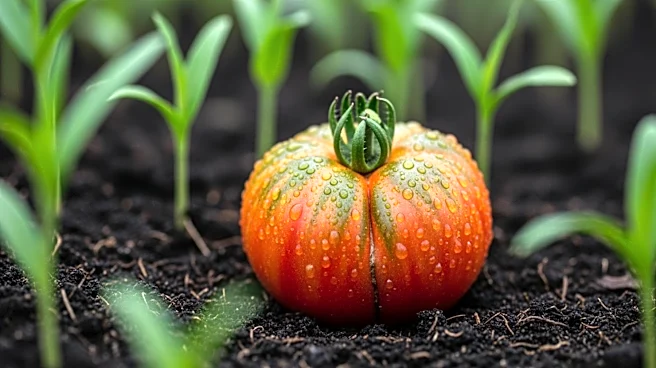
Bob Zeni, known as the Chicago Tomato Man, is grappling with the effects of erratic spring temperatures on his heirloom tomato crops. Zeni, who has been cultivating heirloom tomatoes for 26 years, is witnessing the impact of climate change on his gardening
practices. The fluctuating temperatures in Chicago, which can vary drastically within a single day, pose a significant challenge to maintaining optimal growing conditions for his tomatoes. Zeni's approach includes using environmentally friendly practices such as live ladybugs for pest control and worm poop as fertilizer. Despite these efforts, the unpredictable weather, including phenomena like 'false spring,' complicates the cultivation process. Zeni's business model involves selling pre-ordered tomato plants through pop-up events, and he emphasizes the importance of monitoring weather conditions to protect the plants from unexpected cold snaps.
Why It's Important?
The challenges faced by Zeni highlight the broader impact of climate change on agriculture, particularly for small-scale and home gardeners. Erratic weather patterns can disrupt planting schedules and affect crop yields, posing a threat to food security and local economies. Zeni's experience underscores the need for adaptive strategies in agriculture to cope with changing environmental conditions. His use of sustainable practices reflects a growing trend towards environmentally conscious farming, which can help mitigate the negative effects of climate change. The situation also emphasizes the importance of community education and support, as seen in Zeni's workshops aimed at helping local gardeners navigate these challenges. The broader implications extend to the agricultural sector, which must adapt to ensure resilience against climate-induced disruptions.
What's Next?
Zeni plans to continue his educational workshops to assist local gardeners in adapting to climate challenges. These workshops focus on sustainable gardening practices and the importance of monitoring weather conditions. As climate change continues to affect growing seasons, there may be increased demand for such educational initiatives. Additionally, the agricultural sector may need to invest in research and development to create more resilient crop varieties and farming techniques. Policymakers might also consider supporting small-scale farmers through grants or subsidies to encourage sustainable practices. The ongoing dialogue between scientists, farmers, and policymakers will be crucial in developing strategies to address the impacts of climate change on agriculture.
Beyond the Headlines
The story of Zeni and his heirloom tomatoes also touches on cultural and historical aspects of agriculture. Heirloom seeds, often passed down through generations, represent a connection to agricultural heritage and biodiversity. Preserving these varieties is not only about maintaining flavor and quality but also about safeguarding genetic diversity, which is vital for food security. The shift towards sustainable practices in Zeni's gardening reflects a broader cultural movement towards environmental stewardship and responsibility. This trend may influence consumer preferences, leading to increased demand for sustainably grown produce and potentially reshaping agricultural markets.