




What's Happening?
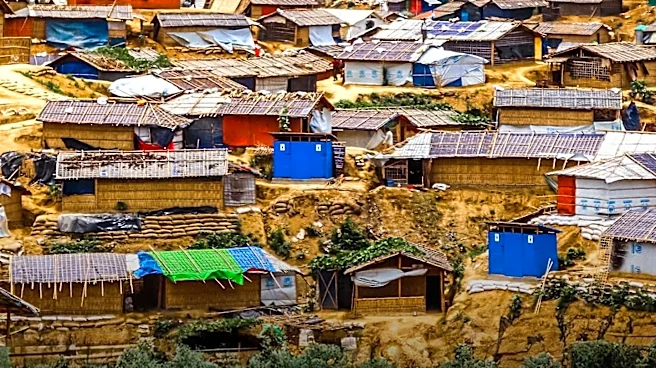
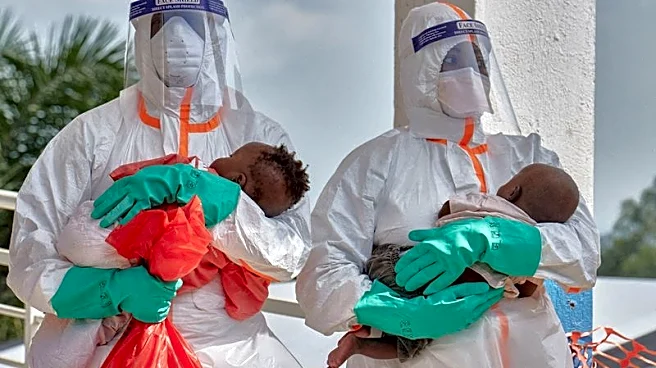
The Ebola Bundibugyo virus has been detected in displacement camps in the Democratic Republic of Congo (DRC), affecting 19 internally displaced individuals and resulting in five deaths. The outbreak has been reported in five of Ituri province's 69 camps,
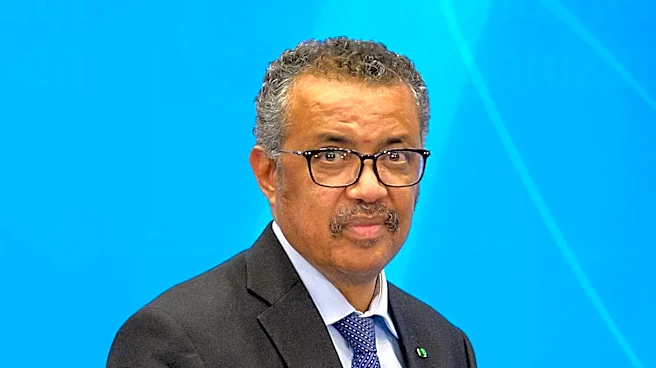
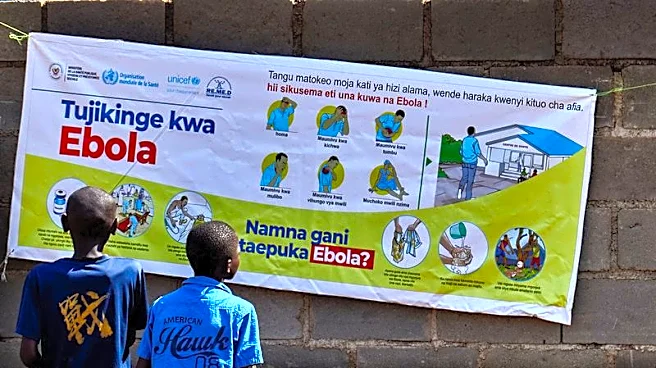
raising alarms about the virus's spread among vulnerable populations. The World Health Organization (WHO) and UNHCR are collaborating with local authorities to enhance response efforts, including surveillance, treatment, and community engagement. The outbreak poses significant risks due to inadequate water and sanitation infrastructure in the camps.
Why It's Important?
The spread of Ebola in displacement camps is a critical public health concern, as these areas often lack essential healthcare infrastructure and resources. The outbreak threatens to exacerbate the humanitarian crisis in the DRC, where millions are already displaced due to ongoing conflict. Effective containment and response efforts are crucial to prevent further spread and protect both displaced populations and surrounding communities. The situation underscores the need for robust international support and coordination to address health emergencies in conflict-affected regions.
What's Next?
The UN and its partners are scaling up efforts to contain the outbreak, including deploying additional resources for healthcare and community engagement. WHO has emphasized the need for stronger coordination and faster access to care. The international community is expected to continue supporting the DRC government and local organizations in their response efforts. Monitoring and evaluation of the situation will be ongoing to adapt strategies as needed.