
What's Happening?
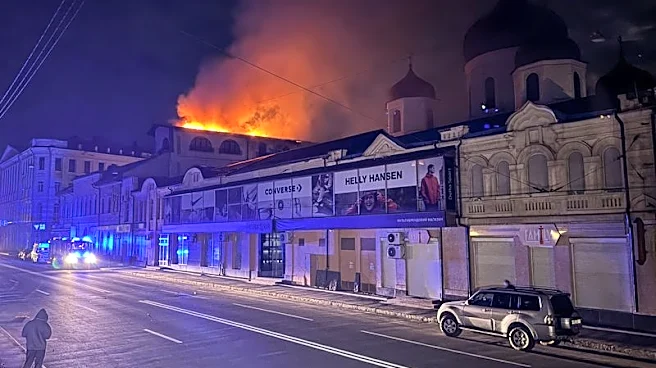
Russian drone and missile strikes across Ukraine have resulted in the deaths of at least five people and injuries to 36 others. The attacks also led to a fire at a veterinary clinic in Chabany, south of Kyiv,
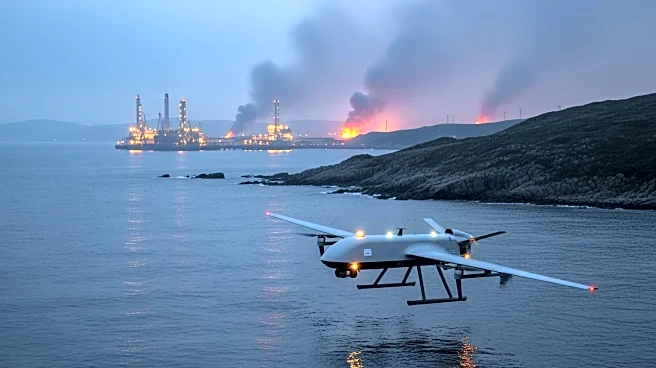
where nearly 20 animals perished. Ukraine's Emergency Services shared images of rescue workers attempting to save the animals, including administering CPR to a dog. The strikes targeted Ukraine's civilian infrastructure and energy facilities, with the Russian Defense Ministry claiming the attacks were a response to Ukrainian assaults on Russian civilian targets. The barrage is part of ongoing hostilities, with Russia recently launching a significant drone attack on Ukraine.
Why It's Important?
The continued Russian attacks on Ukraine highlight the ongoing conflict and its impact on civilian life and infrastructure. The strikes disrupt daily life and pose significant challenges to Ukraine's emergency services and defense capabilities. The targeting of civilian infrastructure and energy facilities exacerbates the humanitarian crisis, affecting both human and animal lives. The conflict also has broader geopolitical implications, as it draws international attention and influences global diplomatic relations. The situation underscores the need for international intervention and support to address the humanitarian needs and seek a resolution to the conflict.
What's Next?
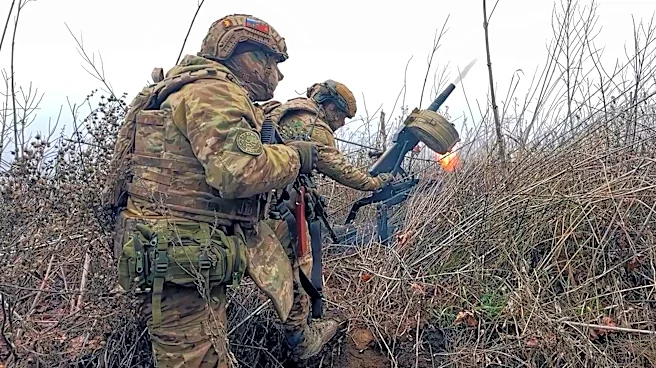
The escalation of attacks suggests that peace negotiations remain stalled, with Russia intensifying its military operations. Ukraine's defense forces continue to respond, shooting down a significant number of missiles and drones. The international community may increase pressure on Russia through sanctions and diplomatic efforts to halt the aggression. Humanitarian organizations are likely to focus on providing aid and support to affected regions. The conflict's progression will depend on military strategies and potential diplomatic interventions from global powers.
Beyond the Headlines
The attacks on Ukraine have ethical and legal implications, particularly concerning the targeting of civilian infrastructure and the resulting humanitarian crisis. The destruction of animal life at the veterinary clinic highlights the broader impact of war on non-human entities and raises questions about the protection of animal rights during conflicts. The situation may lead to increased advocacy for international laws governing warfare and the protection of civilian and animal lives. Long-term, the conflict could influence global military strategies and international relations, shaping future policies on conflict resolution and humanitarian aid.