


What's Happening?
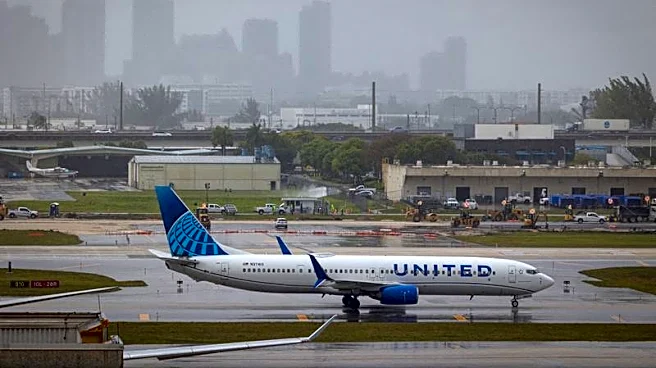
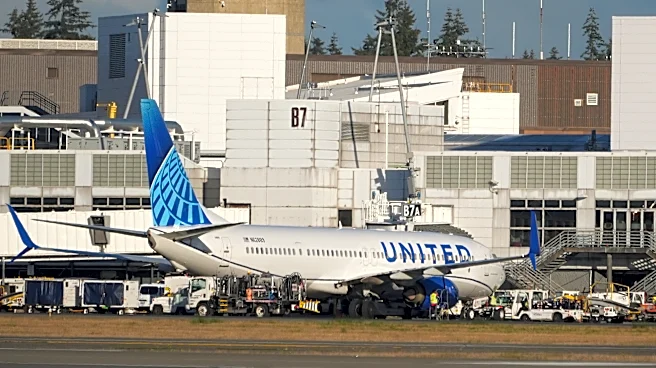
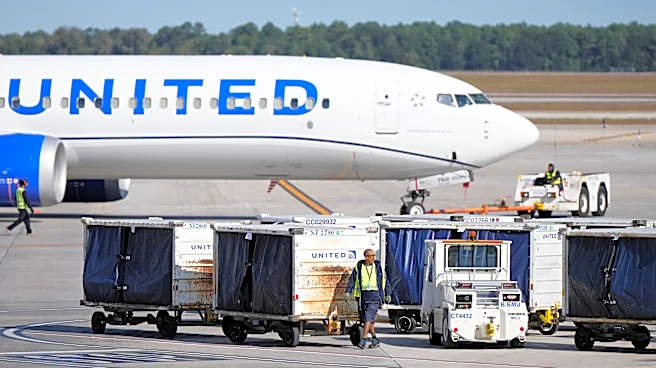
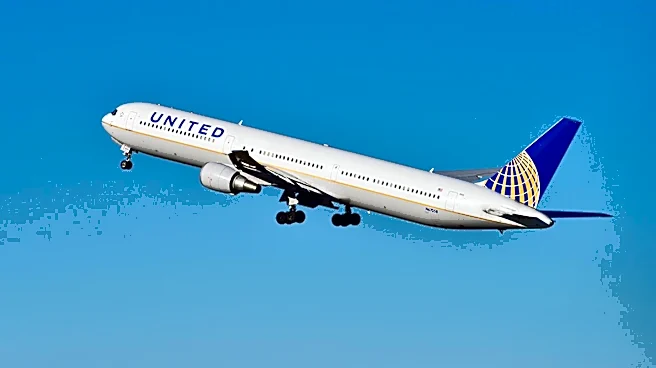
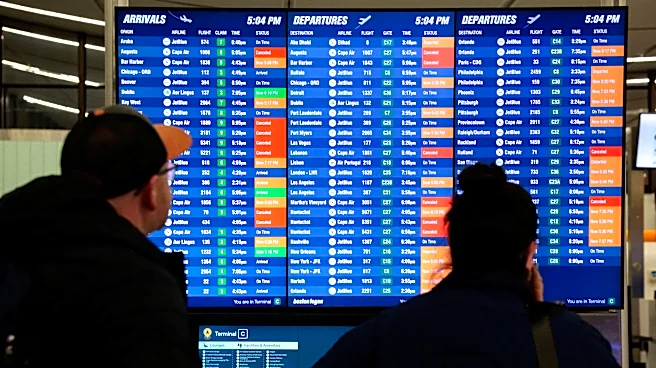
United Airlines reported on November 16, 2026, that it had resolved a technology issue that caused delays for departing flights. The problem was fixed approximately an hour and a half after pilots first reported it, with no indication of a cybersecurity
breach. While flights already in the air and those on its regional network were unaffected, FlightAware reported 418 delayed flights. For travelers impacted by such incidents, particularly those involving Paris, the legal framework for compensation varies significantly. Flights departing from a French airport fall under EU Regulation (EC) No 261/2004, entitling passengers to reimbursement, re-routing, care, and fixed compensation (up to €600) for delays of three hours or more at final arrival, unless extraordinary circumstances are proven. However, flights from the U.S. to Paris on a non-European carrier do not qualify for this fixed compensation; instead, claims for proven damages are governed by the Montreal Convention.
Why It's Important?
This incident and the subsequent clarification of passenger rights are crucial for U.S. travelers, particularly those flying internationally. The distinction between EU and U.S. departure points for compensation highlights the complexities of international air travel regulations. For U.S. citizens traveling to or from Europe, understanding these differences can significantly impact their ability to claim compensation for delays or cancellations. The EU regulation offers more robust protections, including fixed compensation, which is not automatically available for U.S. departures on non-European carriers. This disparity can lead to frustration and financial loss for passengers unaware of their rights, underscoring the need for clear communication from airlines and travel agencies regarding applicable laws and compensation procedures.
What's Next?
Passengers affected by the United Airlines delays, especially those with flights originating from or connecting through Paris, will need to assess their individual situations based on the departure point and operating carrier to determine their eligibility for compensation. Those departing from French airports should follow the EU Regulation (EC) No 261/2004 process, initially contacting the operating carrier, then potentially the French civil aviation authority (DGAC), and finally a court if necessary. Passengers flying from the U.S. to Paris on United Airlines would need to pursue claims for proven damages under the Montreal Convention. This incident may prompt airlines to review their communication strategies regarding passenger rights, particularly for international routes, to ensure clarity and compliance with diverse regulatory frameworks.
Beyond the Headlines
The United Airlines technology outage and the subsequent legal analysis of passenger rights reveal a deeper issue concerning the global patchwork of air travel regulations. While efforts like the Montreal Convention aim for some uniformity, significant differences persist, particularly between regions like the EU and the U.S. This regulatory fragmentation creates a complex landscape for both airlines and passengers, often leading to confusion and unequal treatment. The incident also highlights the increasing reliance on technology in air travel and the cascading effects of system failures. Beyond compensation, such events can erode passenger trust and underscore the need for robust, resilient IT infrastructure in the aviation industry, as well as clearer, more accessible information about passenger entitlements across different jurisdictions.