




What's Happening?
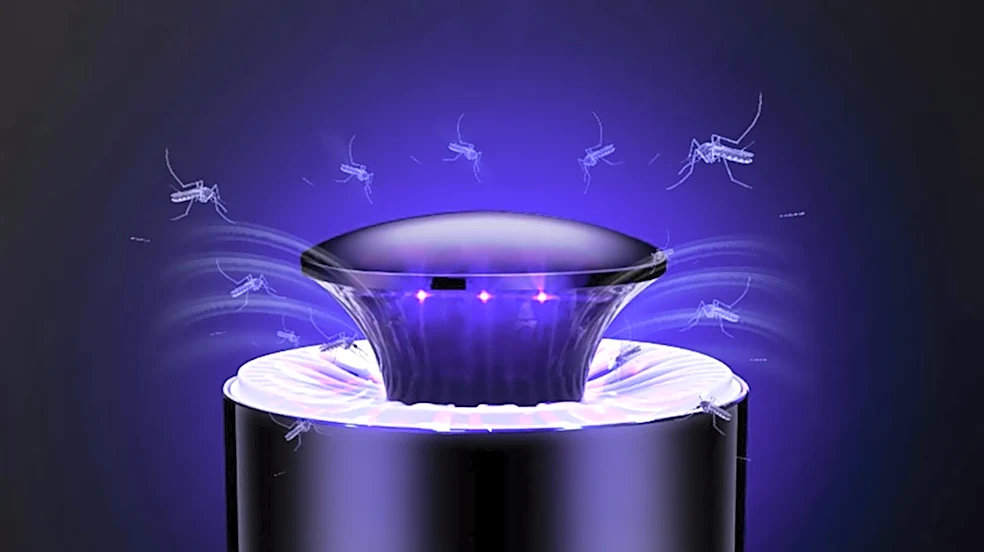
Professors at the University of South Florida (USF) have engineered an innovative 'smart' mosquito trap that utilizes artificial intelligence (AI) to identify and combat mosquito-borne diseases, specifically dengue fever. This new device, which is 3D-printed
and costs approximately $100, can identify hundreds of mosquitoes at once. Professor Sriram Chellappan from USF's Bellini College of AI, Cybersecurity and Computing, highlighted that out of nearly 3,500 mosquito species globally and 45 in Florida, only a few transmit diseases. The challenge lies in accurately identifying these disease-carrying species, a task that traditionally involves manual sorting and identification by entomologists, a process that is time-consuming and often leads to discarding 90-95% of trapped mosquitoes. The USF trap employs an AI-powered camera system that captures images of trapped mosquitoes, sending them to a cloud for processing or analyzing them locally. Associate Professor Ryan Carney from USF's Department of Integrative Biology stated that the device can identify dengue-spreading mosquitoes with 98% accuracy in real-time, a significant improvement over conventional methods that can take several days.
Why It's Important?
This development holds significant importance for public health in the U.S. and globally, particularly in regions susceptible to mosquito-borne illnesses like dengue fever. Florida, with its diverse mosquito population, stands to benefit immensely from this technology. The real-time, highly accurate identification of disease-carrying mosquitoes allows for immediate alerts to county or agency officials, enabling them to pinpoint potential hotspots and implement targeted control measures more efficiently. This proactive approach can drastically reduce the spread of diseases, preventing outbreaks and saving lives. Current manual identification methods are slow and resource-intensive, often delaying critical interventions. The low cost and 3D-printable design of the smart trap make it scalable and accessible, potentially revolutionizing mosquito surveillance and control efforts in underserved areas and developing countries, thereby reducing the economic burden and public health strain associated with these diseases.
What's Next?
The USF research team recently secured another patent for their smart trap equipment and plans to deploy these traps across Florida and internationally starting next year. This deployment will likely involve collaboration with local and national health agencies to integrate the technology into existing mosquito control programs. Further development may focus on expanding the AI's capability to identify other disease-carrying mosquito species and integrating the data with broader public health surveillance systems. The success of these initial deployments will be crucial in demonstrating the trap's effectiveness and securing wider adoption. Additionally, ongoing research might explore ways to further reduce manufacturing costs and enhance the trap's durability and autonomy for long-term field use, potentially leading to a new standard in vector control technology.
Beyond the Headlines
Beyond its immediate public health benefits, this innovation represents a broader shift in how AI can be applied to environmental and biological challenges. It exemplifies the potential of interdisciplinary research, combining AI, engineering, and biology, to create practical solutions for complex global issues. The development of an affordable, scalable 'smart' trap could democratize access to advanced disease surveillance, empowering communities with limited resources to protect their populations. This technology also raises questions about the future of environmental monitoring, suggesting a move towards automated, data-driven approaches that can provide granular insights into ecological systems. The success of such initiatives could inspire similar AI applications in other areas of environmental science and public health, fostering a new era of intelligent ecological management.