






What's Happening?
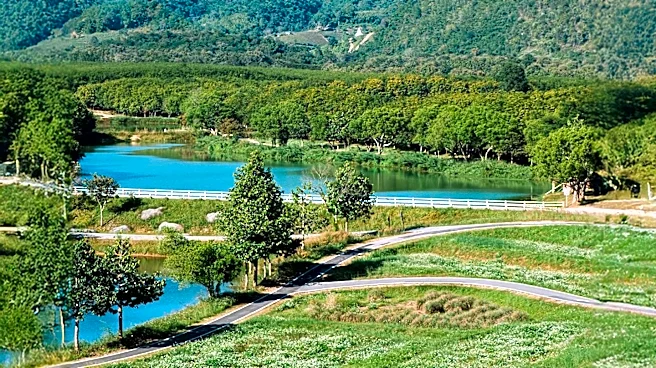
The Land Trust of Napa County has successfully acquired a 436-acre private property situated within the Knoxville Wildlife Area, east of the Napa Valley. This acquisition, fully funded by a $1 million grant from the state Wildlife Conservation Board,
aims to permanently protect the land from future development. The property is considered a crucial wildlife corridor within the Berryessa Snow Mountain National Monument. The Land Trust will manage the property temporarily before its eventual transfer to the California Department of Fish and Wildlife, which plans to integrate it into the 20,000-acre Knoxville Wildlife Area. This move is seen as a significant win for conservation efforts in the region.
Why It's Important?
This acquisition is vital for preserving biodiversity and maintaining ecological connectivity in California. The property serves as a critical migration corridor for animals traveling from Lake Berryessa to the Oregon border, including state species of concern like the northwestern pond turtle and foothill yellow-legged frogs. Protecting this land ensures the continuity of habitats for various wildlife, such as black bears, mountain lions, and deer. Furthermore, the deal preserves agricultural watershed lands, eliminates potential homesites, and safeguards over a mile of Zim Zim Creek and a 4-acre stock pond, which are crucial water resources. This initiative demonstrates a successful partnership between a land trust and state agencies in achieving significant conservation goals.
What's Next?
The Land Trust of Napa County will continue to manage the newly acquired 436-acre property in the near term. The long-term plan involves transferring the land to the California Department of Fish and Wildlife at no cost, allowing it to be permanently integrated into the Knoxville Wildlife Area. This integration will ensure the land's ongoing protection and management as part of a larger conservation area. The Department of Fish and Wildlife will likely implement management strategies to restore and maintain the ecological health of the property, especially considering its regeneration after the 2020 LNU Lightning Complex Fire. This process will solidify the property's role as a vital component of regional wildlife conservation.
Beyond the Headlines
This conservation effort highlights the increasing importance of land trusts and public-private partnerships in addressing environmental challenges. The acquisition prevents fragmentation of critical habitats, which is a major threat to biodiversity. It also underscores the value of proactive conservation, securing land before it can be developed, thereby preserving natural resources for future generations. The regeneration of the manzanita-chamise chaparral and McNab cypress forest after the LNU Lightning Complex Fire also offers insights into ecological resilience and the potential for natural recovery with proper management. This project serves as a model for how strategic land acquisitions can contribute to broader environmental protection and climate change adaptation efforts.