







What's Happening?
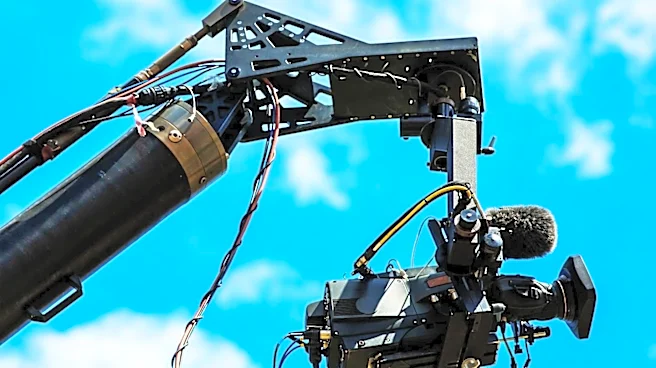
Marika Gerrard, a former aerial camera operator and co-founder of Los Angeles News Service, played a pivotal role in shaping live news coverage in the 1980s and 1990s. Working from a helicopter, Gerrard filmed numerous breaking news events, providing
crucial aerial perspectives that often became iconic images in news history. Her notable work includes capturing the 1992 Los Angeles unrest, where her footage of the Reginald Denny beating offered a direct view of the unfolding crisis. She also filmed the widely watched 1994 O.J. Simpson car chase from above, demonstrating how local events could quickly gain national attention through aerial reporting. Gerrard, along with her news partner, established Los Angeles News Service in 1978, initially covering stories by car before acquiring a helicopter in 1985. Her skill involved maintaining sharp, clear shots from a moving aircraft, often near an open door, to convey fast-paced and tense scenes below. Despite her significant contributions, Gerrard did not always receive full public credit for her work, with some awards listing other staff members instead of her.
Why It's Important?
Marika Gerrard's pioneering work in aerial news photography significantly impacted how live breaking news was consumed by the American public. Her ability to capture dynamic, real-time events from a unique vantage point provided an immediacy and scope that ground-level reporting often could not match. This innovation helped define the visual language of live news, particularly for high-speed pursuits and large-scale civil unrest, making events like the O.J. Simpson chase and the Los Angeles riots instantly recognizable across the nation. Her contributions also highlight the often-unseen labor and technical skill behind major news broadcasts, underscoring the importance of camera operators and technical crews in delivering critical information. Furthermore, the historical context of her work sheds light on the evolution of news gathering technology and its influence on public perception and understanding of major societal events, setting precedents for how such incidents are covered today.
What's Next?
While Marika Gerrard is no longer actively working in daily TV news, her legacy continues to be explored and recognized. The documentary 'Whirlybird,' which premiered in 2020, brought renewed attention to her career, her former marriage, and the impact of her work on her family, including her daughter, TV news anchor Katy Tur. This film, utilizing old news tapes and family footage, offers a deeper look into the personal and professional challenges of her groundbreaking career. Her work is preserved in film archives, providing a visual record of Los Angeles history from 1980 to 2005. Public discussions and retrospectives linked to 'Whirlybird' and her archived footage will likely continue to highlight her contributions, ensuring her role in news history is acknowledged. This ongoing recognition helps to shed light on the often-overlooked contributions of women in technical roles within journalism.
Beyond the Headlines
Marika Gerrard's story extends beyond her technical achievements, touching upon broader themes of recognition, gender roles in media, and the ethical implications of live news coverage. The fact that she often did not receive full credit for her work, despite its impact, reflects historical patterns where the contributions of individuals in technical or behind-the-scenes roles, particularly women, were sometimes overlooked. This raises questions about how credit is attributed in collaborative media productions and the visibility of all contributors. Moreover, her work in capturing raw, often violent, scenes from above prompts ongoing ethical discussions about the responsibility of news organizations in broadcasting such footage. The film 'Whirlybird' delves into the personal toll of a life dedicated to breaking news, exploring the strain on family life and the psychological impact of constantly witnessing traumatic events. Her legacy thus serves as a case study for examining the human cost and ethical considerations inherent in the relentless pursuit of news.