





What's Happening?
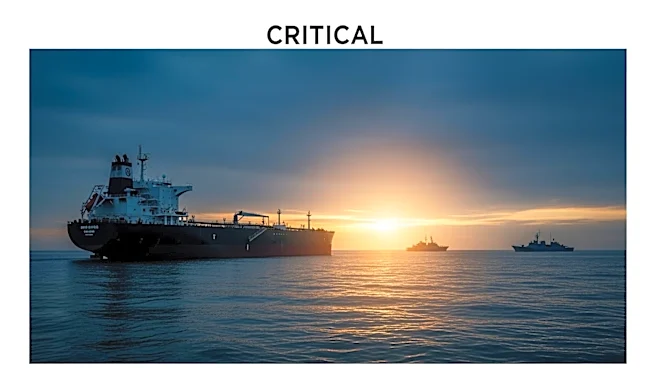
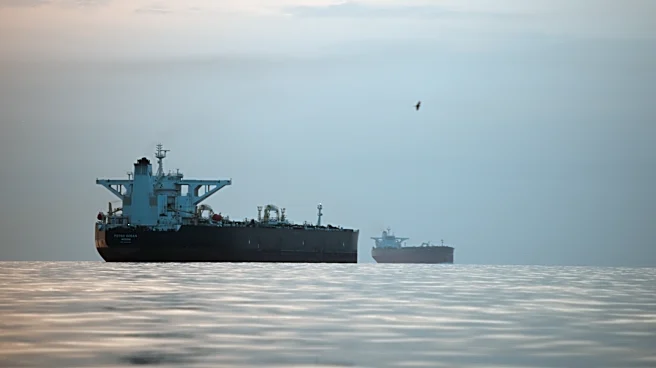
The United States has seized an Iranian-flagged cargo ship in the Gulf of Oman, escalating tensions between the two nations. President Trump announced the seizure, citing the ship's history of illegal activity and its status under U.S. Treasury sanctions.
This action follows Iran's refusal to participate in peace talks in Pakistan. The incident has led to a significant drop in stock futures, with the Dow Jones Industrial Average futures falling by 425 points. Additionally, crude oil prices surged, with West Texas Intermediate futures rising by 7% to $90.33 per barrel. The situation is further complicated by the expiration of a ceasefire between the U.S. and Iran, with President Trump threatening further military action if Iran does not agree to U.S. demands.
Why It's Important?
The seizure of the Iranian-flagged ship marks a critical point in U.S.-Iran relations, potentially impacting global oil markets and international diplomacy. The rise in crude oil prices could affect various sectors of the U.S. economy, including transportation and manufacturing, due to increased fuel costs. The stock market's negative reaction highlights investor concerns about geopolitical instability and its potential to disrupt global trade. The situation underscores the fragile nature of international agreements and the potential for military conflict to influence economic conditions. Stakeholders in the energy sector, as well as policymakers, will need to monitor developments closely to mitigate potential economic fallout.
What's Next?
As the ceasefire between the U.S. and Iran nears expiration, diplomatic efforts may intensify to prevent further escalation. The U.S. may face pressure from international allies to engage in dialogue with Iran to avoid military conflict. Meanwhile, the financial markets will likely remain volatile as investors react to ongoing developments. The U.S. government may also consider additional sanctions or diplomatic measures to address the situation. The outcome of these actions will have significant implications for U.S. foreign policy and economic stability.